How to Grow a Beard Faster: What Works, What Doesn’t, and What Just Takes Time
You’ve stopped shaving, three weeks have passed, and your face looks more like an unfinished sketch than a beard. The natural next question is how to grow a beard faster, and whether anything beyond patience actually helps.
Here is the honest short answer: your genetics decide how thick, how dense, and how quickly your beard grows, and nothing you rub on your face will override that. What you can do is remove the things that hold growth back (poor sleep, nutrient gaps, irritated skin, trimming too early), support healthy hair with basic habits, and, if you want to go further, talk to a doctor about minoxidil, the only topical treatment with controlled trial evidence for beard growth.
This guide covers what actually influences beard growth, which beard growth tips for men are backed by evidence, how to fill in a patchy beard while you wait, and which beard growth products that work are worth considering versus the ones that mostly sell hope.
What Actually Helps
- Give it time without trimming. Most beards need around three to four months before you can fairly judge what you have. Many “patchy” beards look far better at week twelve than at week three.
- Fix the basics. Enough sleep, adequate protein and calories, and managing stress support normal hair growth.
- Keep your skin healthy. Cleanse gently and moisturize so hairs can emerge without irritation or ingrown hairs.
- Rule out deficiencies. Low iron, zinc, or vitamin D, among other things, can affect hair. A blood test is better than guessing with supplements.
- Consider minoxidil carefully. It is off-label for the face, it works for some men and not others, and it should be discussed with a doctor or pharmacist first.
- Skip miracle claims. No oil, vitamin gummy, or “testosterone booster” has been shown to make a genetically sparse beard dense.
How Beard Growth Actually Works
Understanding the biology makes it easier to spot nonsense.
Beard hair is androgen-dependent. During puberty, rising levels of testosterone, and its more potent form dihydrotestosterone (DHT), cause the follicles on your face to switch from producing fine, nearly invisible vellus hair to thicker, darker terminal hair. How strongly each follicle responds depends on how sensitive it is to those hormones, and that sensitivity is largely inherited.
That is why two men with normal testosterone levels can have completely different beards. It is also why a man with a thin beard usually does not have a “low testosterone” problem. Follicle sensitivity and the number of follicles you were born with matter more than your hormone levels, as long as those levels are in a normal range.

A few practical consequences:
- Growth speed is mostly fixed. Hair grows in cycles (growth, transition, rest). You can’t meaningfully speed up the rate at which a healthy follicle produces hair, but you can avoid disrupting it.
- Density is mostly fixed too. You can’t create new follicles with creams or supplements.
- Timing varies. Facial hair often keeps filling in through the twenties and sometimes into the early thirties, so a patchy beard at 19 is not necessarily a patchy beard at 27.
- Family patterns are a useful clue. Looking at your father, uncles, and grandfathers gives you a rough preview of your own potential, though not a guarantee.
Beard Growth Tips for Men That Are Worth Following
1. Let it grow past the awkward stage
The most common reason men think their beard “won’t grow” is that they quit during the itchy, uneven phase. Hairs grow at slightly different rates and enter their growth phase at different times, so early patchiness can be a timing issue rather than a density issue.
A workable approach: don’t trim at all for the first four weeks other than cleaning up the neckline if you must. Take a photo every two weeks in the same lighting. Judge your beard at around twelve weeks, not before.
2. Sleep properly
Hair growth is a relatively low priority for your body, so chronic sleep deprivation and sustained stress are among the things that can push follicles toward resting and shedding. This effect is more established for scalp hair, but there is little reason to think facial follicles are exempt. Aiming for seven to nine hours is good advice for many reasons, beard growth included.
3. Eat enough, and eat enough protein
Hair is made of keratin, a protein, and growing hair requires energy. Crash diets and very low protein intake can cause hair shedding. You don’t need a special “beard diet.” A varied diet with regular protein (eggs, fish, poultry, dairy, beans, lentils), plus fruits and vegetables, covers the needs of most people.
4. Check for deficiencies instead of buying random supplements
Correcting a genuine deficiency (iron, zinc, vitamin D, or B12, for example) can help hair when the deficiency was the problem. Taking extra of something you already have enough of generally does not help, and some supplements can cause harm at high doses.
Biotin deserves a specific mention because it is in nearly every beard vitamin. Evidence that it improves hair growth in people who are not deficient is weak, and high-dose biotin can interfere with certain lab tests, including some thyroid and heart-related blood tests. If you take it, tell anyone ordering blood work.
5. Exercise, but don’t expect a hormone miracle
Regular exercise supports overall health, sleep, and stress management. Resistance training can transiently raise testosterone, but that short-lived bump has not been shown to thicken a beard. Treat exercise as a general health habit rather than a beard hack.
6. Don’t smoke
Smoking affects circulation and has been linked to hair thinning and poorer skin health. If you needed another reason to quit, a better beard is a minor one among many.
7. Stop picking and pulling
Plucking stray hairs, scratching constantly, and picking at ingrown hairs can irritate follicles and cause inflammation. Leave the itch alone and treat it with moisturizer instead.
Skincare for Beard Growth: The Underrated Basics
Healthy skin doesn’t make follicles more productive, but irritated, flaky, or clogged skin can make a beard look worse and feel miserable, which is often when men give up.
- Wash your face and beard once or twice a day with a gentle cleanser. Harsh bar soaps and body washes can strip skin and leave the beard brittle.
- Moisturize the skin under the beard. A plain, fragrance-free lotion works. This reduces the dryness and itch (often called “beardruff”) that tempts men to scratch.
- Exfoliate lightly and rarely. One gentle exfoliation a week is plenty; overdoing it irritates skin.
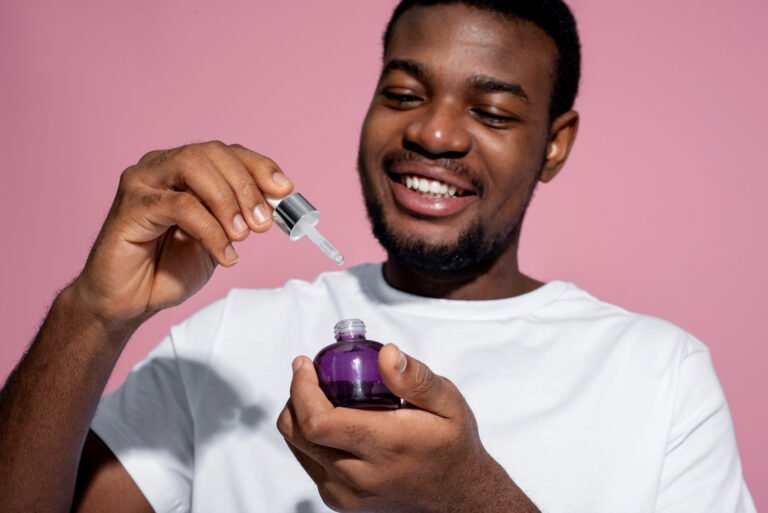
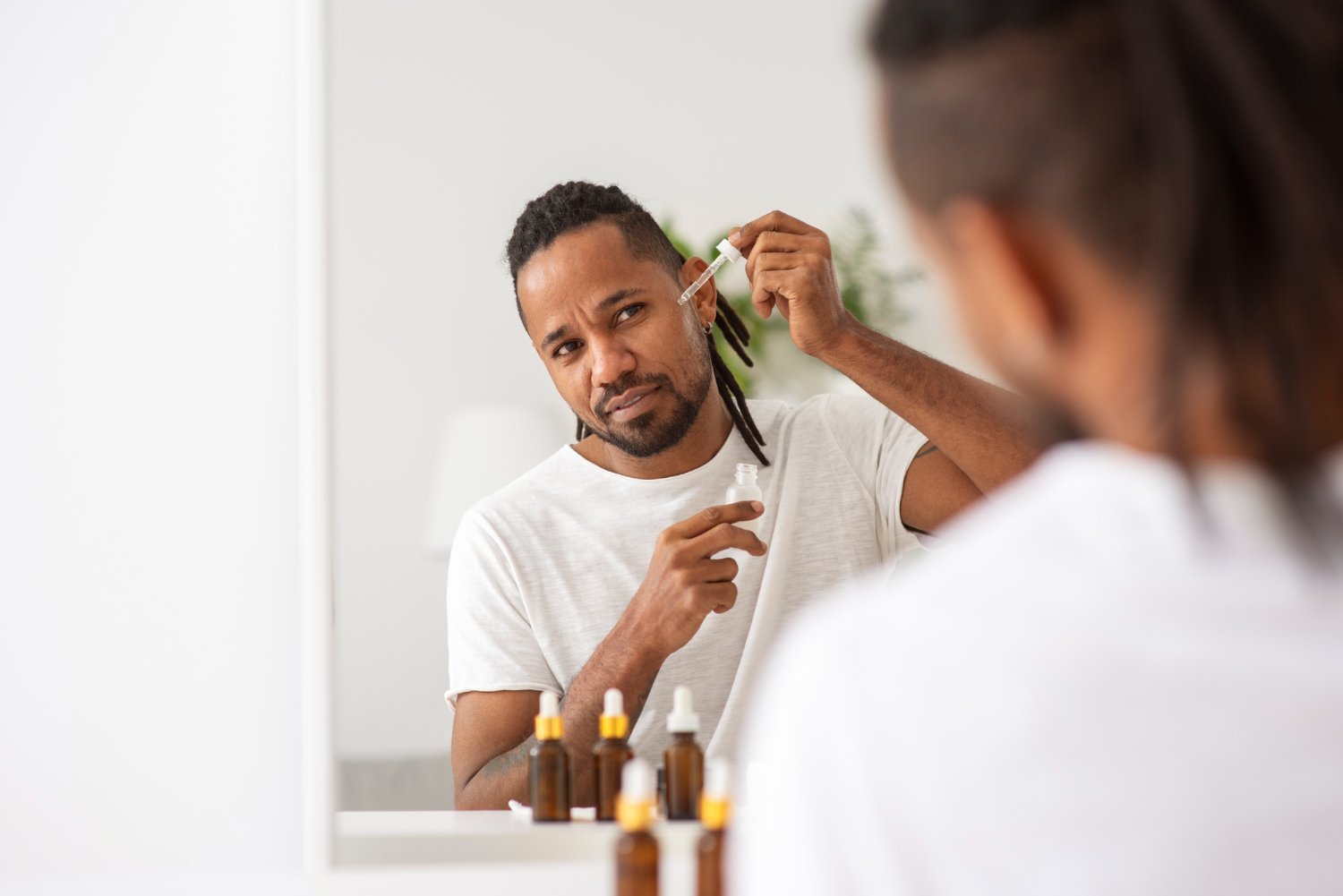
- Use beard oil as conditioning, not as a growth treatment. Oils soften hair and reduce itch. They do not make follicles produce more hair. Choose fragrance-free if your skin is sensitive.
- Comb or brush daily. It spreads natural oils, trains hairs to lie in one direction, and helps free hairs that would otherwise curl back into the skin.
If you have curly or coarse hair, ingrown hairs are common. Avoid pulling the skin tight when you trim, and see a dermatologist if you get painful, recurring bumps.
How to Grow a Thicker Beard
Thickness comes from two things: the number of hairs per square centimeter (density) and the diameter of each hair. You mostly can’t change either, but you can change how thick your beard looks and, in some cases, how much terminal hair you grow.
Let length work for you. Longer hair covers more skin, so a beard that looks sparse at 3 mm can look noticeably fuller at 15 mm.
Condition and brush. Well-conditioned hair lies better and reflects light more evenly, which reads as fuller.
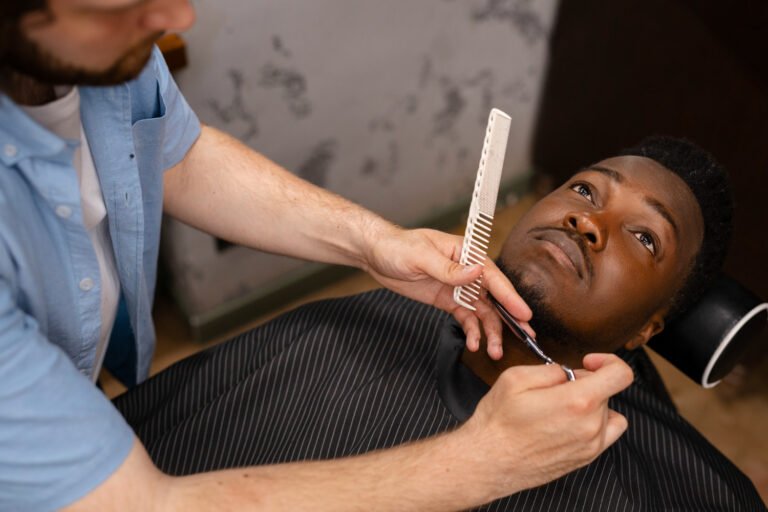
Get a good trim, not a heavy one. Removing split and straggly ends and defining clean lines makes a beard look intentional and denser. Trimming does not make hair grow back thicker, which is a persistent myth. The blunt end of a cut hair can feel coarser, but the follicle underneath hasn’t changed.
Consider minoxidil if you want a medical option. It’s covered in the next section.
Beard Growth Products That Work, and Those That Mostly Don’t
This is where the market is full of exaggeration, so it helps to sort products by the strength of evidence behind them. This guide is based on a review of published research, not on hands-on testing of individual products, so it focuses on ingredients and categories rather than ranking specific brands.
| Product or method | Evidence for growth | What it realistically does | Main drawbacks |
|---|---|---|---|
| Topical minoxidil (3–5%) | Some. One randomized trial; limited other data | May increase beard density in some men | Off-label, ongoing use probably needed, irritation, early shedding |
| Beard oils and balms | None for growth | Moisturize, soften, reduce itch | Can clog pores if heavy; scented ones irritate |
| Biotin and “beard vitamins” | Weak unless deficient | Possibly helps if you are deficient | Can interfere with lab tests; costs add up |
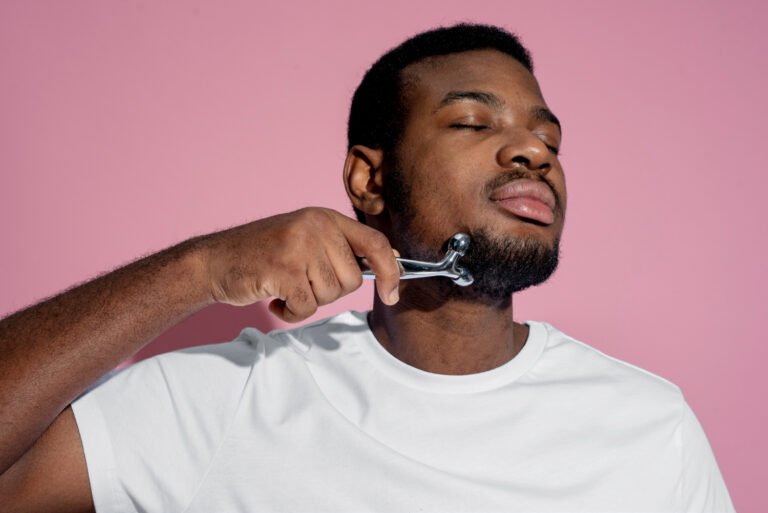
| Dermarolling / microneedling | Limited for beards | Unproven for facial hair | Infection and irritation risk if done badly |
| “Testosterone boosters” | None for beards | Nothing reliable | Wasted money; some contain unlisted ingredients |
| Beard filler pencils and fibers | Not growth products | Visually fill gaps temporarily | Wash off or look unnatural if the shade is wrong |
Minoxidil: the one with real evidence
Minoxidil is sold for scalp hair loss, and using it on the beard is an off-label use. The best evidence comes from a 16-week randomized, double-masked, placebo-controlled study published in 2016 of 48 men aged 20 to 60. Participants applied 0.5 mL of 3% minoxidil lotion twice daily to the chin and jawline. At week 16, physicians’ photographic scores were significantly better in the minoxidil group than in the placebo group, and the men also rated their own improvement higher.
Some important caveats:
- The evidence base is small. That trial remains the main controlled study in men, supported by a small number of case reports and, more recently, a trial in transgender men on testosterone therapy. It’s encouraging, but it’s not the depth of evidence behind scalp treatment.
- It doesn’t work for everyone. Response varies, and some men see little change.
- Results are probably not permanent. Any added growth may fade if you stop applying it.
- Expect a slow start. Studies and clinicians describe needing roughly three to four months before judging results, and some people notice temporary shedding early on before regrowth.
- Side effects are mostly skin-related. Dryness, flaking, itching, and irritation are the usual complaints, and liquid forms tend to irritate more than foam. Hair can also grow on nearby areas it drifts onto, such as the upper cheeks.
- It isn’t right for everyone. Minoxidil has cardiovascular effects when taken orally, and topical use enters the bloodstream in small amounts. If you have heart disease or take blood-pressure medication, ask a doctor or pharmacist before using it. It should not be used on broken or inflamed skin.
If you decide to try it, discuss strength and application with a doctor or pharmacist, patch test on a small area first, and take before-and-after photos so you can judge honestly at the four-month mark.
What about oils, vitamins, and gummies?
Beard oils and balms are fine grooming products, and many men like them. Just don’t expect them to grow anything. If a label claims “clinically proven to grow your beard” without naming a study you can look up, treat it as marketing.
The same goes for “testosterone boosters.” If your testosterone were truly low, you’d likely notice other symptoms (low energy, low libido, reduced muscle), and the right move would be a blood test and a conversation with a doctor, not a supplement.
Microneedling and dermarollers
Some men use dermarollers on the beard area. Controlled evidence for beards specifically is limited. Rolling at home also carries real risks if the tool isn’t clean or you press too hard: irritation, scarring, and infection. If you’re curious, a dermatologist is the safer route.
How to Fill in a Patchy Beard
If your goal is a beard that looks good now, these approaches work regardless of biology.
Step 1: Grow it for at least eight to twelve weeks
First decide whether it’s truly patchy or just uneven in timing. Many gaps close as slower hairs catch up.
Step 2: Choose a style that fits your pattern
Matching the style to your growth is the most effective way to look good with a patchy beard.
- Patchy cheeks, good chin and mustache: A goatee, Van Dyke, or anchor beard leans on your strongest areas.
- Good jaw and chin, thin cheeks: Keep the cheek line high and tight and let the jaw carry the shape.
- Overall sparse: A short, even stubble or a close-cropped beard looks deliberate and hides gaps better than medium length.
- Patchy in spots only: Slightly longer length plus careful trimming can blend the gaps.
Step 3: Define clean lines
A sharp neckline (about a finger or two above the Adam’s apple) and a tidy cheek line make a beard look planned. Sloppy edges draw attention to the sparse spots.
Step 4: Condition and style
Brush the hair in the direction that covers gaps best. A little balm helps hairs lie flat and blend.
Step 5: Use temporary cosmetics if you want them
Beard fillers, pencils, and tinted fibers can cover small gaps for an event. Match the shade to your darkest natural hair, apply lightly, and test in daylight. They are a cosmetic cover, not a treatment.
Step 6: Consider longer-term options if it still bothers you
Minoxidil is the first medical option to discuss. For men with permanent gaps (for example, over scars), beard transplantation is available, but it is surgical, expensive, and best discussed with a qualified dermatologist or hair restoration surgeon.
When Patchiness Could Be Something Else
Most patchy beards are just genetics and timing. But see a doctor or dermatologist if you notice:
- Sudden round or oval bald patches in a previously full beard, which can be a sign of alopecia areata.
- Red, scaly, crusted, or painful areas with broken hairs, which may point to a fungal or bacterial infection.
- Persistent painful bumps or scarring from ingrown hairs.
- Other symptoms such as fatigue, major changes in weight, or loss of body hair, which are worth a general check-up.
These conditions are treatable, but they’re not fixed by beard oil.
A Realistic Timeline
| Timeframe | What to expect |
|---|---|
| Weeks 1–4 | Stubble, itch, and unevenness. Don’t judge yet. |
| Weeks 4–8 | Hairs lengthen and gaps become clearer; the itch usually settles. |
| Weeks 8–12 | The beard’s real density and shape become visible. |
| Months 3–4 | Fair point to assess whether you’re happy, or whether to try minoxidil. |
| 4+ months on minoxidil | Earliest point at which treatment results can reasonably be judged. |
Common Mistakes That Slow You Down
- Trimming too early and too often.
- Quitting during the itchy phase.
- Buying several “growth” products at once, so you can’t tell what, if anything, is working.
- Over-exfoliating or using harsh cleansers.
- Taking high-dose supplements without a diagnosed need.
- Comparing yourself to someone with a very different genetic background.
Frequently Asked Questions
How fast does a beard grow?
Growth rates vary by person, but facial hair generally grows noticeably more slowly than people expect, often on the order of a centimeter or less per month. Because hairs are at different stages of their cycle, the beard also looks uneven for a while before it fills in.
Does shaving make a beard grow back thicker?
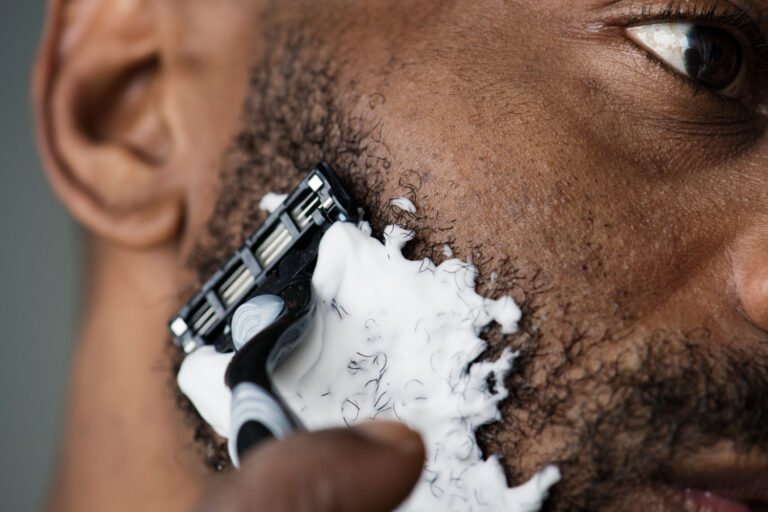
No. Shaving cuts the hair at the surface and doesn’t change the follicle, so it doesn’t affect thickness, color, or growth rate. Freshly cut hairs have a blunt tip that can feel coarse, which is where the myth comes from.
Can I increase my testosterone to grow a better beard?
If your levels are normal, raising them further is unlikely to make a meaningful difference, because beard growth depends mostly on how sensitive your follicles are. If you suspect low testosterone because of other symptoms, see a doctor for testing rather than self-treating.
Is minoxidil safe to use on my beard?
For most healthy adults, topical minoxidil is generally well tolerated, and the most common problems are skin dryness and irritation. It is not approved specifically for beards, and anyone with heart conditions, or who takes blood-pressure medication, should check with a doctor or pharmacist first.
How long should I wait before deciding my beard is patchy?
At least eight to twelve weeks without trimming. Some men continue to fill in over several years, particularly through their twenties.
Conclusion
If you want to know how to grow a beard faster, the most useful answer is also the least exciting: you can’t speed up genetics, but you can stop sabotaging them.
Let your beard grow for a full three months, sleep and eat well, keep your skin healthy, and fix any real deficiencies before spending money on vitamins. If you still want more density after that, minoxidil is the one option with controlled evidence behind it, and it’s worth a conversation with a doctor or pharmacist before you start.
In the meantime, shape and style the beard you have. A well-defined, well-conditioned beard that suits your growth pattern almost always looks better than a longer one fighting its own gaps.
Read also: