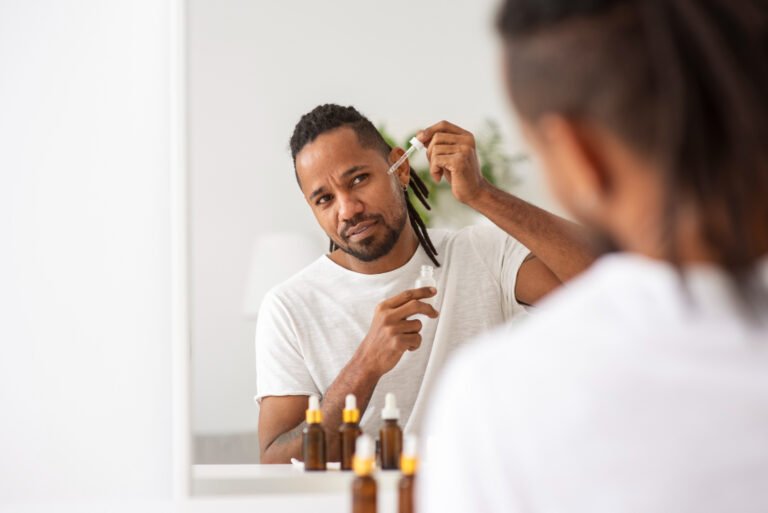
How to Soften a Beard: Why It Feels Rough and What Actually Helps
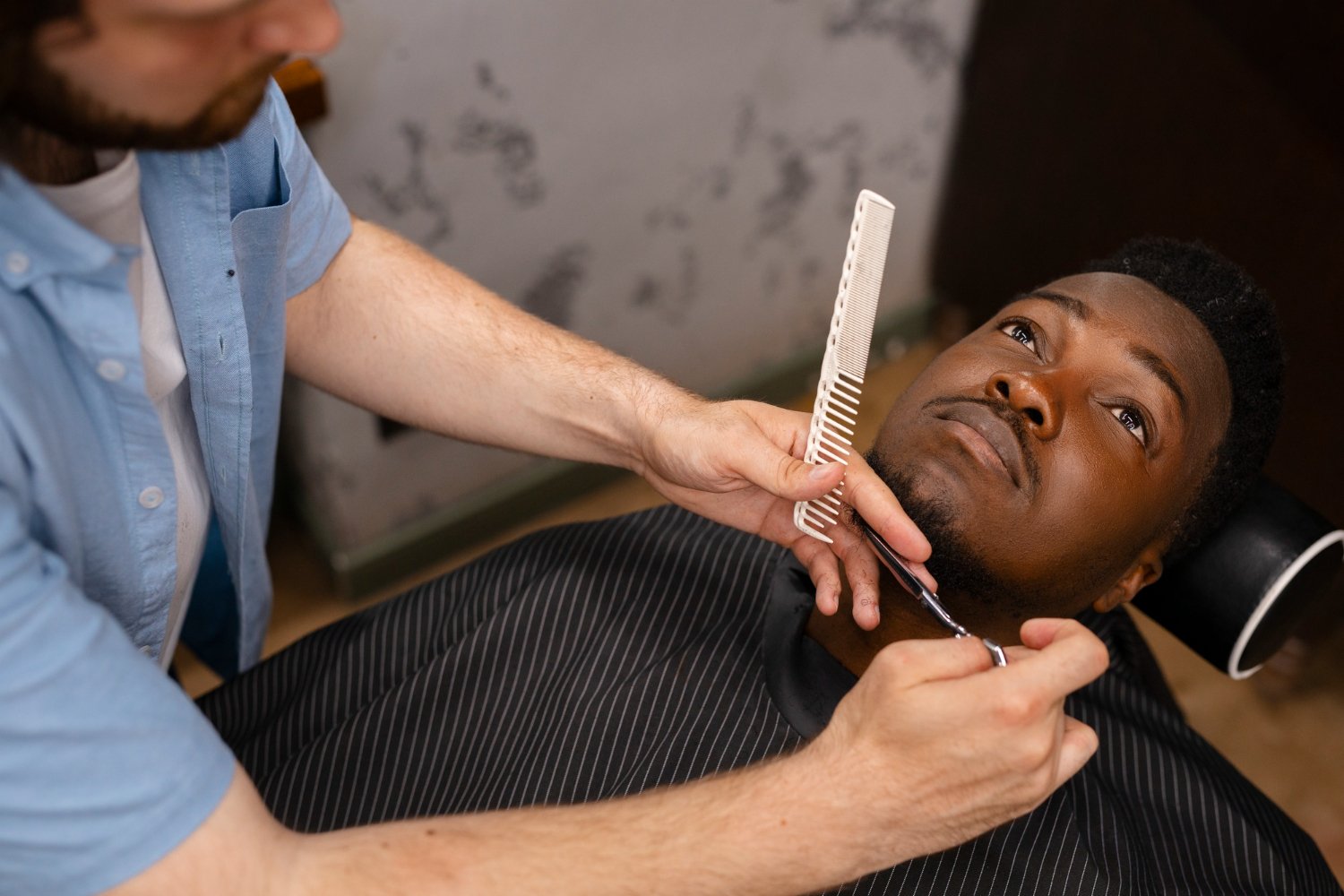
If your beard feels like a wire brush, you’re not alone, and you’re not doing anything wrong. Facial hair is naturally thicker and coarser than most scalp hair, and it goes through an especially scratchy stage when it’s short.
The good news is that learning how to soften a beard is mostly about habits: washing it properly, conditioning it, protecting it from damage, and giving it time to grow past the bristly phase.

This guide explains why beard hair feels rough, which steps make the biggest difference, how to choose products for a coarse beard, what beard conditioner benefits are real and which are marketing, and how to stop beard hair from feeling rough for good. It also covers what products and techniques can’t change, so you can set realistic expectations.
The Quick Answer
To make beard hair softer:
- Wash it gently two to three times a week with a mild cleanser, not harsh soap or body wash.
- Condition it after washing, in the shower or with a leave-in product, to reduce friction and trap moisture.
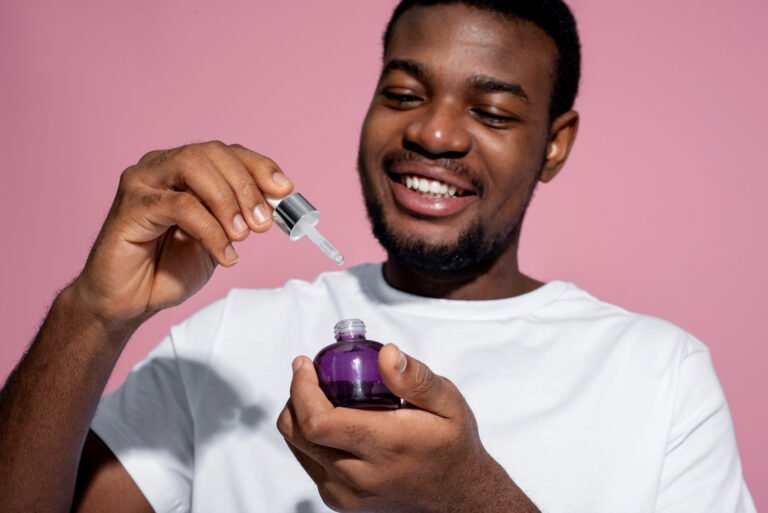
- Apply a little beard oil or balm daily, worked through to the skin as well as the hair.
- Comb or brush every day to spread natural oils and smooth the hairs.
- Trim split and frayed ends, and use sharp, clean tools.
- Be patient. A lot of “coarseness” is simply short, blunt-cut hair that softens as the beard gets longer.
What conditioning can’t do is change your hair’s genetics. If your beard hair is naturally thick and wiry, these steps will make it noticeably more comfortable and manageable, but they won’t turn it into silk.
Why Beard Hair Feels Rough
Understanding the cause makes the fix easier to choose.

It’s naturally coarse. Beard hair is usually thicker than scalp hair, and its texture is largely inherited. Some men have straight, fine facial hair, while others have wiry or curly hair that feels stiff.
It’s short. When hair is cut, the end is blunt, and a short beard is mostly blunt ends pointing out of your skin. That’s why stubble feels prickly, and why the same beard often feels softer a month or two later.
It’s dry. Hair needs a little oil and moisture to feel flexible. Dehydrated hair is more brittle and rougher to the touch. Harsh cleansers, hot water, dry air, and skipping moisturizer can all dry it out.
It’s damaged. Each hair is covered in overlapping scales called the cuticle. When the cuticle is roughened by dryness, friction, or damage, the hair surface feels rougher and tangles more easily. Split ends and frayed tips add to the wiry feel.
It’s dirty or coated. Built-up sweat, dead skin, oil, and product residue can stiffen hair and irritate the skin underneath.
The skin underneath is dry. Dry, flaky skin under a beard often makes the whole beard feel rougher and itchier. The American Academy of Dermatology notes that moisturizing helps soften both the skin and the hairs, and that well-hydrated skin and hair feel softer and itch less.
How to Soften a Beard Step by Step
Step 1: Wash it properly, but not too often
A clean beard is a softer beard because dirt and residue make hair stiff. But over-washing strips natural oils and leaves hair rougher.
- Use a gentle cleanser. Many men choose a beard wash or a mild, moisturizing shampoo, and some avoid harsh sulfate-heavy formulas that can feel stripping.
- Wash two to three times a week, a schedule many beard-care brands recommend, and rinse with lukewarm rather than very hot water.
- Skip regular bar soap and body wash on the beard if you notice dryness.
- On non-wash days, a plain water rinse is usually enough.
If your skin is oily or you sweat heavily, you may wash more often. If your skin is dry or itchy, wash less and moisturize more.
Read also: Best Beard Trimmer for Men: How to Choose One (and Which Models Are Worth Considering)
Step 2: Condition after washing
Beard conditioner works like hair conditioner: it coats the hair, smooths the cuticle, and reduces friction, so hairs glide past each other instead of catching. In practice, conditioners often make the biggest immediate difference in feel.
There are two common ways to use one:
- Rinse-out conditioner: apply after washing, leave on for a minute or two while you finish showering, and rinse thoroughly.
- Leave-in conditioner or softener: apply to damp (not dripping) hair after toweling off, and comb it through.
Some men skip the wash and condition only on certain days, a method called co-washing. It can work for dry or coarse beards, though you’ll still want a proper wash from time to time to remove buildup.
Step 3: Seal with oil or balm
Conditioner softens, and oil or balm helps lock the effect in. The AAD’s dermatology guidance suggests beard oil for normal to dry skin, a beard conditioner for acne-prone skin, and a gentle moisturizer for sensitive skin. It also advises using these products sparingly, since you can always add more.
- Beard oil is lighter and moisturizes skin and hair. It suits most beard lengths.
- Beard balm adds butters or wax, so it conditions more heavily and gives light hold. That makes it a good choice for coarse, wiry, or longer beards.
- Apply to damp hair after washing, massage into the skin first, then work it through the length of the beard.
If your skin is prone to breakouts, choose lighter, non-comedogenic products and avoid heavy butters.
Step 4: Comb or brush daily
Combing spreads the natural oils from your skin down the hair shaft, which helps it feel smoother and shinier. It also removes loose hair and flakes, detangles, and trains hairs to lie in the same direction. Use a wide-tooth comb for thick or curly beards, and a boar-bristle brush for smoothing and polishing.
Comb gently, especially on wet hair, which stretches and breaks more easily.
Step 5: Trim damaged ends and use sharp tools
Split ends and frayed tips feel rough and snag on each other. Trimming them off reduces that wiry feel, even though it doesn’t change how fast your beard grows.
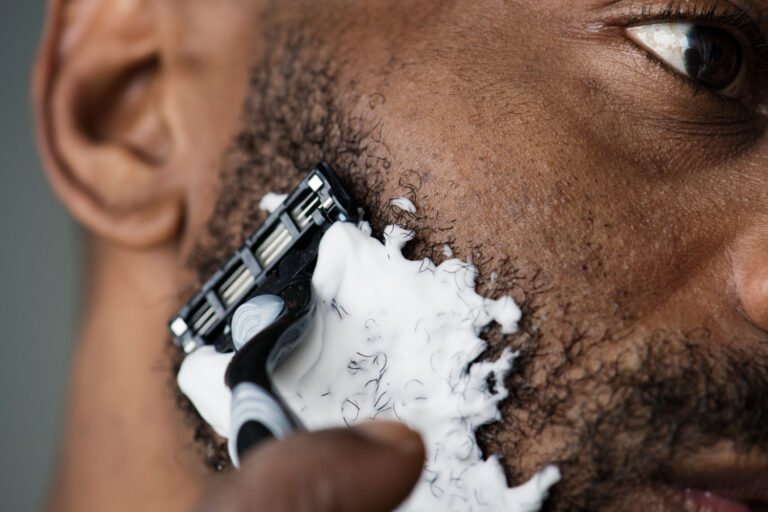
- Use sharp scissors or a clean, sharp trimmer blade. Dull blades tug and fray hairs.
- Trim a small amount at a time.
- Keep tools clean and dry.
Step 6: Use warmth to your advantage
Warmth makes hair easier to handle. The AAD suggests that after a shower, your hair is softer, which makes it the best time to trim or shave. A warm (not scalding) rinse or a warm, damp towel pressed to the beard for a minute before grooming can make coarse hair easier to work with.
Step 7: Look after your skin
Because the skin underneath affects how the beard feels, keep it healthy: cleanse gently, moisturize, and exfoliate only lightly if flakes build up. If you have persistent flaking, redness, or itch that doesn’t improve with moisturizing, it could be seborrheic dermatitis or another skin condition, and a dermatologist can help.
Beard Conditioner Benefits: What’s Real
Not every claim on a conditioner label is equal. Here’s what conditioning can reasonably do:
- Reduces friction and tangles, so hairs slide past each other and are easier to comb.
- Makes hair feel smoother and softer, especially coarse or wiry hair.
- Helps hair hold moisture, so it feels less brittle.
- Reduces breakage, because smoother, better-lubricated hair snaps less.
- Makes styling easier, since softer hair is easier to shape.
- Can reduce itch, mainly by helping skin and hair stay hydrated.
What conditioners can’t do:
- Change the underlying thickness or texture of your hair.
- Make a beard grow faster or thicker. Despite claims on some labels, there’s no good evidence for this.
- Repair truly damaged hair. Damage can only be trimmed off, though conditioner can make it feel better.
- Permanently soften hair. Effects wear off, which is why consistency matters.
Best Products for a Coarse Beard
For a coarse beard, the best approach is a routine rather than a single product: a gentle wash, a conditioner or softener, and a leave-in oil or balm. Here is how to choose:
| Product type | What it does for coarse hair | What to look for |
|---|---|---|
| Beard wash | Cleans without stripping | Gentle, moisturizing formula; fragrance-free if skin is sensitive |
| Beard conditioner or softener | Smooths cuticle, reduces friction | Rinse-out or leave-in; look for emollients and moisturizing oils |
| Beard oil | Moisturizes skin and hair | Lightweight carrier oils like jojoba or argan; avoid drying alcohols |
| Beard balm | Conditions heavily, tames flyaways | Butters like shea; good for thick, wiry, or longer beards |
| Comb or brush | Spreads oils, detangles | Wide-tooth comb for thick hair; natural bristle brush for polish |
Products that appear in published reviews
We haven’t tested these ourselves, and formulas and prices change, so use them as starting points and check current ingredients before buying.
- Balms: NBC Select’s editor-tested roundup of beard balms named the King C. Gillette Beard Softener as best for softening, the SheaMoisture Maracuja & Shea Butter Beard Balm as best for textured hair, Burt’s Bees Conditioning Beard Balm as best non-greasy option, and Every Man Jack Softening Beard Butter as best creamy option. The reviewer who wrote it described their own facial hair as coarse with a slight curl.
- Wash, softener, and oil system: a reviewer at The Modest Man tested Beardbrand’s beard bundle (oil, wash, softener, and balm) and reported the most visible results from using the wash and softener together with near-daily oil. That’s one person’s experience, not a controlled test.
- Rinse-out conditioners: several beard-specific conditioners are marketed for coarse beards, including Cremo’s Beard & Scruff Softener, which the maker describes as a silicone-free conditioner. We found mostly customer reviews rather than independent testing, so treat the claims cautiously.
If you’re choosing between balm and oil for a coarse beard, balm is often the better fit because it gives more conditioning and smoothing, while oil alone can feel too light on wiry hair. Many men use both: oil for skin and softness, and a small amount of balm for smoothing and control.
For more on choosing and using oil, see our guide to the best beard oil for men.
How to Stop Beard Hair From Feeling Rough
Softening is one part of the job. Keeping it soft means avoiding the habits that make hair rough again.
- Don’t over-wash or use harsh products. Stripping the beard of natural oils makes it feel coarse.
- Don’t skip conditioner. It’s the step most men leave out.
- Don’t over-trim in the early weeks. Constantly re-cutting the ends keeps your beard in the prickly stage. Giving it time to grow past the short, blunt phase makes a big difference.
- Use sharp, clean tools. Dull blades fray hair and leave ragged ends.
- Moisturize the skin. Dry skin makes beard hair feel and look rougher.
- Protect your beard from drying conditions. Very hot showers, dry indoor air, and wind can all dry hair out. A bit of balm or oil on harsher days helps.
- Be careful with beard dye or chemical treatments. They can leave hair drier and rougher. If you color your beard, use a conditioner designed for colored hair.
- Don’t overload it with product. Too much oil or balm can leave a greasy, stiff, or flaky finish. Use a small amount and build up.
A Realistic Timeline
| Timeframe | What to expect |
|---|---|
| First week of a routine | Hair feels smoother right after conditioning, but the effect fades |
| 2–4 weeks | Consistent washing, conditioning, and oiling usually make the beard feel more manageable |
| 1–3 months | Longer, healthier hair tends to feel softer as blunt ends grow out |
| Ongoing | Softness depends on keeping the routine, since it’s not a permanent change |
When to See a Dermatologist
A rough beard is usually a hair-care issue, but see a dermatologist if you notice:
- Persistent flaking, redness, or greasy yellowish scales under the beard.
- Itching that doesn’t settle after you moisturize.
- Painful bumps, pus-filled spots, or ingrown hairs that keep coming back.
- Sudden patches of hair loss or hair that breaks off at the skin.
These can be signs of conditions like seborrheic dermatitis, folliculitis, or fungal infection, which need treatment beyond conditioning.
Frequently Asked Questions
How long does it take to soften a beard?
Most men feel a difference in texture right after conditioning, and a consistent routine usually makes the beard feel more manageable within a few weeks. A lot of the softening in a new beard simply comes with length, as blunt-cut ends grow out.
Can you make a coarse beard permanently soft?
Not permanently. Texture is largely genetic, and conditioning effects wear off between washes. With regular care, though, most coarse beards become noticeably softer and more comfortable.
Is beard conditioner necessary?
Not strictly, but it’s often the most effective step for softness, especially for dry, thick, or wiry hair. If you only use oil, adding a conditioner can make a visible difference.
Can I use regular hair conditioner on my beard?
Yes, many men do, and it works fine for softening. Just choose a gentle formula, rinse thoroughly, and watch for irritation. Products made for beards are often lighter and designed for facial skin, but there’s no rule against hair conditioner.
Does coconut oil soften a beard?
It can make hair feel softer, but it can be heavy and may clog pores or cause breakouts for people with acne-prone skin. If you try it, use a small amount and patch test, or choose a lighter oil.
Does trimming make a beard softer?
Trimming split or frayed ends can make a beard feel smoother, though it doesn’t change the hair’s underlying texture or how fast it grows. Over-trimming a short beard can keep it feeling prickly.
Will beard oil soften my beard?
Yes, to a degree. Oil moisturizes the skin and softens the hair, though it works best alongside washing and conditioning. For very coarse hair, balm or conditioner often provides more softening than oil alone.
Conclusion
The way to soften a beard is simple and consistent: wash gently, condition after washing, seal with a little oil or balm, comb daily, and trim off damaged ends.
Most of the rough feel comes from dryness, short blunt ends, and friction, all of which these steps address. What you can’t change is your hair’s underlying texture, so aim for a beard that’s comfortable and manageable rather than perfectly silky.
If you do only one thing this week, add a conditioner or softener after washing and finish with a few drops of oil or a small amount of balm. Stick with it for three to four weeks, and give your beard the time it needs to grow past the scratchy stage.
Read also:
- Best Beard Trimmer for Men: How to Choose One (and Which Models Are Worth Considering)
- How to Grow a Beard Faster: What Works, What Doesn’t, and What Just Takes Time
- How to Trim a Beard at Home: A Beginner’s Guide to Shaping and Maintaining Your Beard
- Best Beard Oil for Men: How to Choose the Right One and Use It Properly