Best Beard Oil for Men: How to Choose the Right One and Use It Properly

Walk into any grooming aisle and you’ll find dozens of bottles that all promise a softer, fuller, healthier beard. Most of them are some mix of plant oils and fragrance, and the differences between them are smaller than the packaging suggests.
The real question isn’t which brand has the best marketing. It’s which beard oil suits your skin, your beard length, and your tolerance for scent.
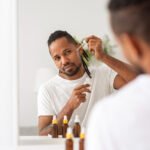
This guide explains what the best beard oil for men actually looks like: which ingredients matter, how to choose a formula for dry or acne-prone skin, what beard oil can and cannot do for growth, how to use it correctly, and how it compares with beard balm. It also points you to a few widely reviewed products to start with, based on published expert and blind-test roundups.
One note on the method: the product suggestions here come from reviewing independent roundups, not from our own hands-on testing, and prices and formulas change often. Treat named products as starting points and check the current label before you buy.
The Quick Answer
- Best for most men: a lightweight, fragrance-light or unscented oil built on a few well-known carrier oils such as jojoba, argan, grapeseed, sunflower, or almond.
- Best for dry, flaky skin: an oil with a moisturizing carrier blend, applied to the skin (not just the hair) after washing, while the beard is still slightly damp.
- Best for acne-prone or oily skin: be cautious. Dermatologists often suggest a lightweight, non-comedogenic beard conditioner or a plain moisturizer instead of a heavy oil.
- Best for growth: no beard oil has been shown to make your beard grow faster or thicker. Oil keeps skin and hair comfortable so you don’t quit early.
- Best for hold and shaping: a balm, which adds butters or wax to the oil. Many men use both.
What Beard Oil Actually Does
Beard oil is a blend of carrier oils, sometimes with a small amount of essential oil or fragrance. It does three useful things:
- Moisturizes the skin under your beard. Beard hair traps dead skin cells, sweat, and sebum against your face, and dry skin underneath is the main cause of itch and flakes.
- Softens and conditions the hair. Oiled hair feels smoother, looks shinier, and is less prone to the wiry, prickly texture that makes a short beard unpleasant.
- Tames frizz and flyaways. A little oil makes hairs lie together more neatly, especially in medium and longer beards.
What it does not do: change your follicle count, hair thickness, or growth speed. Those are determined mainly by genetics and hormones, not by anything you apply to the surface.

How to Choose the Best Beard Oil for Your Needs
Look at the carrier oils first
The carrier oils make up most of the bottle, so they matter more than the scent notes on the front. Common ones include:
- Jojoba: technically a liquid wax whose structure is similar to your skin’s own sebum. It’s light and rarely feels greasy, which is why it appears in so many blends.
- Argan: a light, quick-absorbing oil that’s popular in hair and skin products. It is often expensive, but research on how it behaves on beards specifically is limited.
- Grapeseed and sunflower: light, inexpensive oils that absorb quickly and keep a blend from feeling heavy.
- Sweet almond: a mild, mid-weight oil that suits many skin types, though anyone with a nut allergy should avoid it.
- Castor: one of the thickest oils. It gives a blend more weight and control, but too much can feel sticky. Claims that castor oil grows hair are unproven.
- Coconut: well studied on hair, but it can be pore-clogging for some people with acne-prone skin, which is why many beard oils avoid it or use fractionated versions.
In a blind test of eight oil blends by ten bearded testers, differences between products were subtle, and the testers could only tell the oils apart a minority of the time. That is a small, informal test, but it supports a useful conclusion: a sensible blend of ordinary plant oils will do the job, and a high price tag doesn’t guarantee a better result.
Be wary of drying or coating ingredients
- Alcohol-based formulas. A board-certified dermatologist quoted in a consumer shopping guide cautions against beard products containing drying alcohols such as isopropyl alcohol or propylene glycol, since they can dry out skin.
- Silicones and mineral oil. Ingredients such as dimethicone coat the hair surface, giving a smooth feel without moisturizing the hair or skin underneath. They aren’t dangerous, but they don’t do what a plant-oil blend does, and some testers prefer to avoid them.
Think carefully about scent
Many beard oils use essential oils or perfume for fragrance. These can irritate sensitive skin or trigger allergies, and a strongly scented oil may clash with your cologne. If your skin is reactive or you’re not sure, start with an unscented version. Patch test any new oil on a small patch of skin, such as behind the ear or on the jawline, for a day or two before using it everywhere.
Check the packaging
A dropper gives the most control over how much you use. A reducer-style bottle works fine, and a pump is convenient but gives less control. A bottle in the 1 oz (30 ml) range is plenty for most men for a couple of months.
Read also: How to Grow a Beard Faster: What Works, What Doesn’t, and What Just Takes Time
Beard Oil for Dry Skin
If the skin beneath your beard is tight, flaky, or itchy, beard oil is a reasonable place to start, with a few conditions.
Choose a moisturizing, fragrance-free or lightly scented formula. Carrier oils like jojoba, argan, sweet almond, and sunflower are all common in formulas aimed at dry skin.
Apply it to damp skin. Oil mainly seals in moisture rather than adding it, so the best time to apply it is right after washing, when your skin and beard are still slightly damp.
Cleanse gently first. According to the American Academy of Dermatology’s beard-care guidance, a gentle, fragrance-free cleanser removes debris without further drying your skin. Harsh soaps can strip the skin and make dryness worse.
Consider a moisturizer too. The AAD suggests a gentle moisturizer for sensitive skin, and beard oil for normal to dry skin. If your skin is very dry or sensitive, a plain fragrance-free moisturizer under or instead of oil may serve you better.
Know when it might be something else. Persistent flaking with redness, yellowish or greasy scales, or itch that won’t settle can be seborrheic dermatitis, often nicknamed beardruff. This usually needs an anti-dandruff approach rather than more oil, and a dermatologist can confirm what’s going on.
Does Beard Oil Help Beard Growth?
This is where marketing gets slippery, so here is the straight answer: there is no good evidence that beard oil makes a beard grow faster or thicker. Reputable health sources say plainly that no evidence supports growth claims for beard oil, and independent testers reach the same conclusion: growth is overwhelmingly down to genetics.
So why do people say it helped? Because oil indirectly protects your beard’s early stages. The itch, dryness, and frizz of the first few weeks cause many men to shave it all off. Oil makes that stage more bearable, and healthier-looking, less brittle hair is less likely to break, which can make a beard look fuller at a given length.
A few cautions on products labelled “growth oils”:
- Look for specific, verifiable claims. “Clinically proven” with no study you can look up is a red flag.
- Treat percentages like “35% faster growth” with suspicion unless they come from a named, peer-reviewed trial.
- Ingredients like rosemary, peppermint, or castor oil are sometimes marketed for growth, but reliable human evidence for beards is lacking.
- The only topical treatment with controlled trial evidence for beard density is minoxidil, which is a medication, not an oil. It is off-label for the face, can cause skin irritation, and is best discussed with a doctor or dermatologist first. Our guide on how to grow a beard faster covers it in detail.
Beard Oils Worth Considering
We haven’t personally tested these products, and published reviews are subjective and sometimes dated, so use this as a shortlist rather than a ranking. Formulas, scents, and prices change, so confirm ingredients and current pricing before buying.
| Need | Products that appear in independent roundups | Why it’s on the list | What to keep in mind |
|---|---|---|---|
| All-round, good value | Mountaineer Brand | Top pick in a blind test of eight oils by ten bearded testers; a castor, grapeseed, and almond blend with several scents and an unscented option | Test was small and published several years ago; check the current formula |
| Softening | Honest Amish; Jack Black | Honest Amish scored best for softening in the same blind test; Jack Black was named best overall by dermatologists and barbers in a consumer shopping guide | Honest Amish’s scent was polarizing (licorice and clove notes) |
| Lightweight feel | Reuzel | Named the best lightweight oil in the same consumer guide | Lighter oils may need more frequent reapplication |
| More weight and control | Layrite | Named the best “thick” oil in that guide | Heavier oils can feel greasy on short beards |
| Budget-friendly | SheaMoisture | Called the best affordable option; a blend of grapeseed, sunflower, olive, and castor oils among others | Check the scent and ingredients if your skin is sensitive |
| Widely available, many scents | Cremo | Solid mid-pack performer with four scents in the blind test | Described as an average oil rather than a standout |
Two additional points about reading roundups. First, nearly every list you’ll find online contains affiliate links, so look for reviews that explain how products were tested and that admit when differences are small. Second, treat lists that promise dramatic growth results with caution, because their claims usually aren’t supported by independent evidence.
How to Use Beard Oil
- Wash your face and beard with a gentle, fragrance-free cleanser. Rinse thoroughly.
- Pat dry with a clean towel. Leave the beard damp, not dripping wet. Applying oil to soaking-wet hair dilutes how well it spreads, and applying it to bone-dry skin just makes the surface greasy.
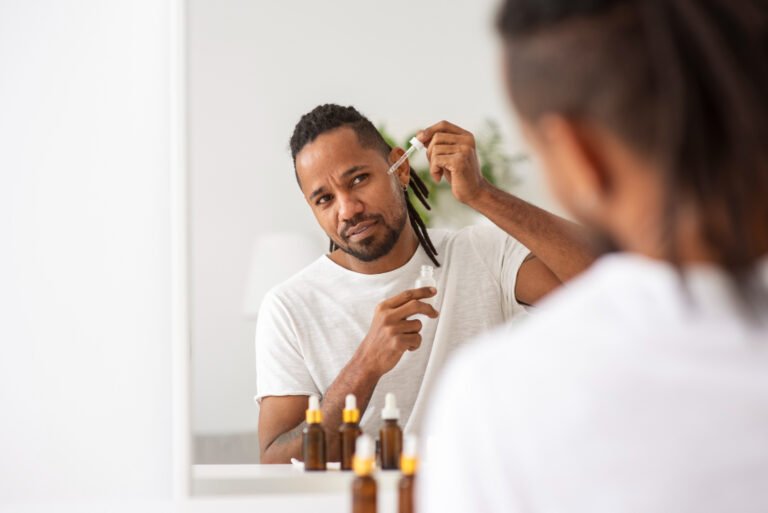
- Warm a few drops in your palms. A common starting point is around three to five drops for a short beard and more for a longer one, but start small. You can always add more.
- Massage it into the skin first. Use your fingertips so the oil reaches the skin, not just the hair.
- Work it through the hair. Smooth your hands down the length of the beard, then comb or brush it through to spread it evenly and untangle the hairs.
- Style as desired. If you want more hold, follow with a small amount of balm.
How often should you use it?
Once a day after your shower is a good starting point, and many men need less. People with long or very dry beards, or who live in dry climates, may benefit from applying more often. If your beard feels greasy, apply it less often or use fewer drops.
Beard Oil vs. Beard Balm
Oil and balm are close relatives. Both condition the beard and moisturize the skin, but their textures and strengths differ.
| Beard oil | Beard balm | |
|---|---|---|
| Texture | Liquid | Soft, spreadable solid |
| Main ingredients | Carrier oils, sometimes scent | Oils plus butters (like shea) and often wax |
| Best for | Moisturizing skin, softening, light frizz control | Shaping, taming flyaways, extra conditioning |
| Hold | None to very light | Light to moderate |
| Best beard length | Any, especially short to medium | Medium to long |
| Possible downside | Can feel greasy if overused | Heavier, harder to spread and can clog pores if skin is prone to breakouts |
| Good with | Daily skin care routines | Styling and longer beards |
A simple rule of thumb: use oil for skin and softness, add balm when you want shape and control. Short stubble or a small beard usually needs only oil. A longer beard that frizzes or flares out may benefit from oil first, then a pea-sized amount of balm to finish.
If your skin is acne-prone, remember that heavier products carry a higher chance of clogging pores. The AAD suggests a lightweight, non-comedogenic beard conditioner for acne-prone skin rather than oil. If you break out after starting any oil or balm, stop using it and let your skin recover before trying something different.
Common Beard Oil Mistakes
- Using too much. More oil doesn’t mean more benefit. It means a greasy beard that can transfer onto collars and pillows.
- Only coating the hair. If the oil never touches your skin, you miss the main benefit.
- Applying to a dirty beard. Oil on top of grime and dead skin cells traps it against your face.
- Buying by scent alone. A great smell on a poor formula won’t solve dryness.
- Expecting growth. Judge an oil by how your skin and hair feel, not by length.
- Ignoring irritation. Redness, burning, or new breakouts mean the product isn’t suitable. Stop using it.
When to See a Dermatologist
Beard oil is a cosmetic aid, not a treatment. See a dermatologist if you have:
- Persistent flaking or scaling that doesn’t improve with moisturizing.
- Redness, pain, or broken skin under the beard.
- Acne-like breakouts that continue after you simplify your routine.
- Sudden patches of hair loss in your beard.
Frequently Asked Questions
Does beard oil make your beard grow?
No. There is no good evidence that beard oil speeds up or increases growth. It keeps skin moisturized and hair softer, which can stop you from giving up on the itchy early weeks and can make hair look healthier.
Can I use beard oil if I have acne-prone skin?
Possibly, but with caution. Heavier oils and coconut-based blends can clog pores in some people. Dermatology guidance often favors a lightweight, non-comedogenic beard conditioner or moisturizer for acne-prone skin. If you try an oil, patch test first and stop at the first sign of new breakouts.
How much beard oil should I use?
Start with a few drops and add more only if needed. A short beard needs far less than a long one. If your beard looks shiny or feels greasy, you’ve used too much.
Can I use beard oil every day?
Yes, for most men, though not everyone needs to. Daily use after washing works well for dry skin and longer beards. If your skin is oily or your beard gets greasy, apply it every other day or less.
Is beard oil or beard balm better?
Neither is better overall. Oil is lighter and mainly moisturizes skin and softens hair. Balm adds hold and is better for taming longer beards. Many men use oil daily and balm only when they want to shape the beard.
Can I make my own beard oil?
You can, and some men do, using ingredients like jojoba or fractionated coconut oil. If you add essential oils, keep them very diluted and patch test, since these can irritate skin. For most people, a ready-made blend is simpler and safer.
Conclusion
The best beard oil for men is the one that keeps your skin comfortable, feels light enough that you’ll actually use it, and doesn’t irritate your face. Look for a simple blend of familiar carrier oils, choose unscented or lightly scented if your skin is sensitive, avoid drying alcohol-heavy formulas, and apply a few drops to damp skin every day or two.
Don’t expect any bottle to grow your beard. If growth is your goal, focus on patience, sleep, nutrition, and, if you want to go further, a conversation with a doctor about options. And if you have persistent dryness, flaking, or breakouts, see a dermatologist before adding more products.
A sensible next step: pick one unscented or lightly scented oil from the shortlist above, use it consistently for three to four weeks, and judge it by how your skin and beard feel.
Read also: