
How to Dress Better as a Man: A Practical Guide for Any Budget
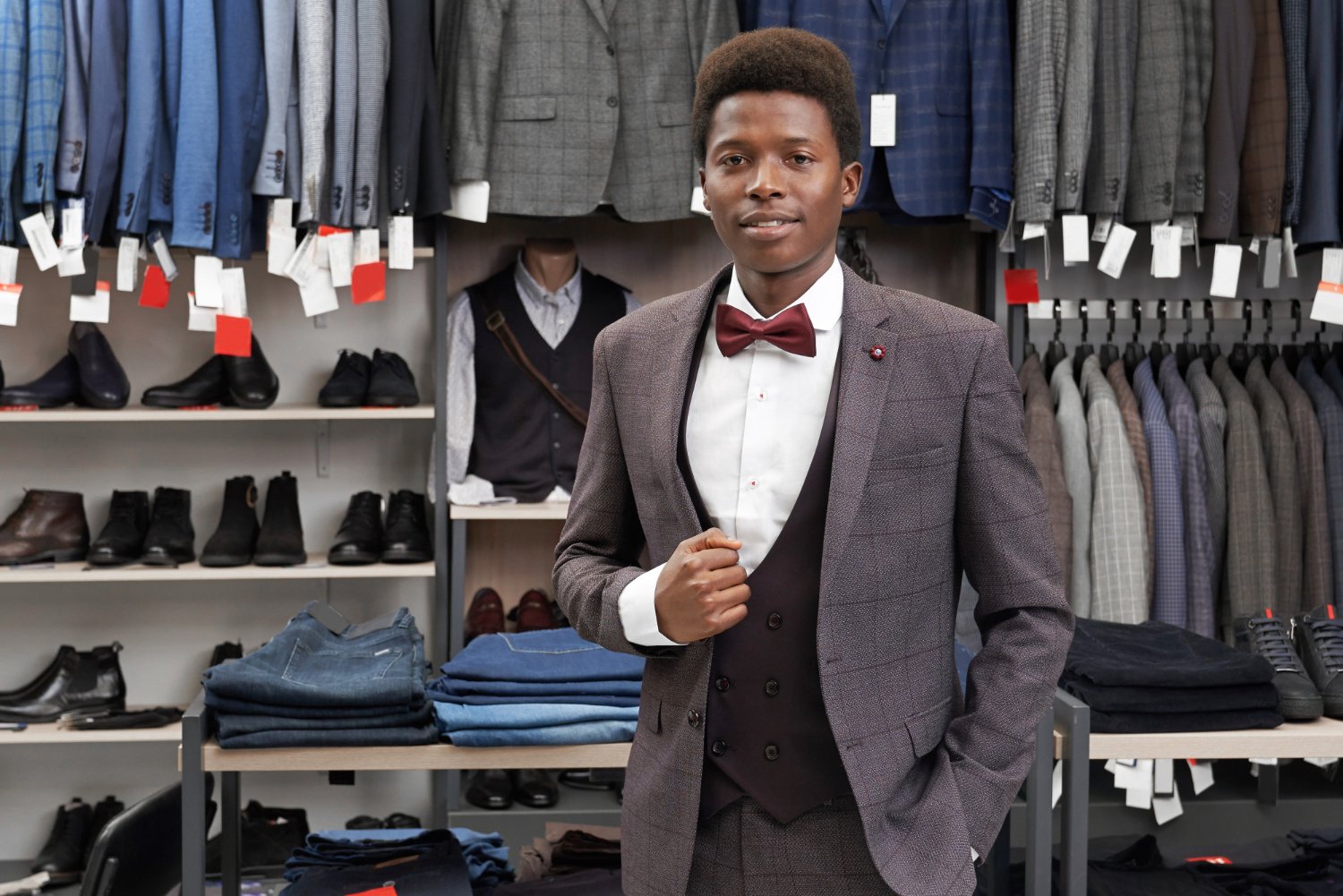
Most men who ask how to dress better as a man are not looking for a fashion degree. They want to open the wardrobe, pick something quickly, and know it looks right.
If that sounds familiar, the short answer is this: get the fit right, build around a small set of versatile pieces in a few colors that work together, keep everything clean and in good repair, and match your outfit to the occasion. Fit matters more than price, and consistency matters more than trends.
This guide walks through those principles step by step. You will find men’s style tips for beginners, a realistic list of men’s wardrobe essentials, complete outfit combinations, the most common men’s fashion mistakes to avoid, and ways to dress well on a budget. You do not need to replace everything you own. Most of the work is about making better use of what you already have and filling a few gaps.
What Does It Actually Mean to Dress Well?
Dressing well is not about owning expensive labels or following every trend. It comes down to four things:
- Fit: clothes that follow your body without pulling or sagging.
- Appropriateness: an outfit that suits the setting, whether that is a wedding, an office, or a Saturday errand.
- Cohesion: colors, textures, and levels of formality that look intentional together.
- Condition: clothes that are clean, pressed or smoothed, and free of damage.
A plain grey T-shirt and dark jeans that fit properly will usually look better than a designer jacket that is too big. Keep that in mind as you work through the rest of this guide.
Step 1: Start With Fit
If you only change one thing, change this. Fit is the most reliable way to improve your personal style as a man, and it applies to every body type. The goal is not to wear everything tight. The goal is for clothes to match your shape and move with you.
Shirts and T-shirts
- Shoulders: the seam should sit at the edge of your shoulder bone. If it hangs down your upper arm, the shirt is too big. If it pulls toward your neck, it is too small.
- Body: you should be able to pinch a small amount of fabric at the side without it ballooning out. A shirt that billows when you move is too roomy.
- Sleeves: on a dress shirt, the cuff should end around the wrist bone. On a T-shirt, the sleeve should sit comfortably on the upper arm and not strangle it or flap loose.
- Length: an untucked shirt should end around mid-zip or the middle of your hips. Longer than that tends to look like a nightshirt.
Trousers and Jeans
- Waist: you should not need a belt to keep them up, though a belt is a fine finishing touch.
- Leg shape: a straight or slightly tapered leg suits most people. Very skinny or very wide cuts are a matter of taste and work best when balanced by the rest of the outfit.
- Length: the hem should graze the top of your shoes with a slight break at most. Pants pooling around your ankles shorten your legs visually.
Jackets
For blazers and casual jackets, check that the shoulders sit flat and the jacket closes without strain. The sleeve should show a little shirt cuff. Shoulder fit is very hard to alter, so prioritize it when buying. Sleeve length, trouser hems, and waist suppression are much easier for a tailor to adjust.
Tip: a local tailor can usually shorten hems and sleeves, and taper trousers, for far less than the cost of new clothes. This is one of the best budget upgrades available.
Step 2: Build a Small Palette
One of the easiest men’s style tips for beginners is to limit your colors. When most of your clothes share a few neutral tones, nearly everything can be mixed with everything else.
A dependable starting palette:
- Base neutrals: navy, charcoal, grey, black, and olive for trousers, jackets, and shoes.
- Light neutrals: white, cream, light grey, and light blue for shirts and knitwear.
- One or two accent colors: burgundy, forest green, rust, or mustard, depending on your skin tone and taste.
Some guidelines that hold up well:
- Keep dark and light in balance. A dark jacket with light trousers (or the reverse) creates visual contrast.
- Match your belt to your shoes in general color family, such as brown with brown.
- Let one piece lead. If your jacket is bold, keep the shirt and trousers quiet.
- Try tonal outfits. Different shades of the same color, like light and dark blue, look polished with little effort.
Color suitability varies with complexion and personal preference, so treat these as sound starting points rather than strict laws.
Read also: 14 Pleated Pants Outfit Ideas for Men
Step 3: Learn the Men’s Wardrobe Essentials
You do not need a huge collection. A compact set of men’s wardrobe essentials can produce dozens of outfits. Use the list below as a checklist and substitute items that fit your life. A man who works in an office needs a different mix than one who works outdoors.
Tops
- 3 to 5 plain T-shirts in white, grey, navy, or black
- 2 to 3 button-up shirts, such as a white or light blue Oxford and one in a subtle pattern
- 1 to 2 knits, such as a crewneck sweater or merino pullover
- 1 polo shirt, which sits between a T-shirt and a dress shirt
- 1 casual overshirt or lightweight jacket
Bottoms
- 1 to 2 pairs of dark, plain jeans without heavy distressing
- 1 to 2 pairs of chinos in navy, khaki, or olive
- 1 pair of tailored trousers in grey or navy if you have any formal occasions
- Shorts, if your climate calls for them, in a fitted and not baggy cut
Outerwear
- 1 versatile jacket, such as a bomber, field jacket, or denim jacket
- 1 blazer in navy or grey, which dresses up jeans and dresses down with a T-shirt
- 1 weather-appropriate coat, either a wool overcoat or a waterproof layer depending on where you live
Footwear
- Clean, simple sneakers in white or a neutral color
- 1 pair of leather boots, loafers, or derbies for smarter occasions
- Weather-appropriate options if needed, such as waterproof boots
Basics and Accessories
- A leather or sturdy canvas belt
- A simple watch, if you like wearing one
- Plain socks in dark neutrals, plus white athletic socks for sneakers
- A bag that suits your daily routine
If you own most of this already, you are in better shape than you may think. Focus on replacing items that are worn out or ill-fitting before adding anything new.
Step 4: Put Outfits Together
Owning good pieces is only half the job. Here are complete combinations you can copy and adjust using items already in your wardrobe.
Everyday Casual
- Top: plain grey T-shirt
- Bottom: dark indigo jeans, straight cut
- Footwear: white leather sneakers
- Accessories: brown leather belt, simple watch
- Why it works: neutral colors with a light-to-dark contrast, and nothing competes for attention.
- Styling tip: add an olive overshirt when it is cooler for texture and depth.
Smart Casual
- Top: light blue Oxford shirt, sleeves rolled once or twice
- Bottom: navy chinos
- Footwear: brown loafers or suede derbies
- Accessories: brown belt matching the shoes
- Why it works: light blue and navy are close in tone, so the outfit looks coordinated, and the shoes add polish.
- Styling tip: if the day turns formal, a grey blazer finishes it in seconds.
Dressed-Up Without a Suit
- Top: white shirt under a fine-knit navy sweater
- Bottom: charcoal trousers
- Footwear: dark brown or black leather shoes
- Accessories: slim leather belt
- Why it works: layering adds interest while the restrained palette keeps it professional.
- Styling tip: tuck the shirt and keep the sweater hem sitting neatly at the waist.
Cool-Weather Weekend
- Top: merino crewneck in charcoal over a plain T-shirt
- Bottom: olive chinos
- Footwear: leather boots
- Accessories: knit beanie, wool scarf in a muted tone
- Why it works: earthy and grey tones sit comfortably together, and layering handles temperature changes.
- Styling tip: keep the sweater collar visible beneath the coat for a cleaner line.
Warm-Weather Day
- Top: short-sleeve camp collar shirt in a solid or subtle pattern
- Bottom: tailored shorts or light chinos
- Footwear: minimalist sneakers or leather sandals
- Accessories: sunglasses
- Why it works: breathable fabrics keep you comfortable, and a collared shirt looks more put-together than a basic tee.
- Styling tip: choose cotton or linen blends, which tend to handle heat better than heavy synthetics.
Step 5: Pay Attention to Details
Small things separate an outfit that looks fine from one that looks considered.
- Grooming: a tidy haircut, trimmed beard or clean shave, and clean nails support everything you wear.
- Shoes: wipe them regularly and keep leather conditioned. Worn-down heels and dirty soles stand out.
- Fabric care: remove pilling from sweaters, steam or iron shirts, and follow washing instructions to prevent shrinking and fading.
- Layers: a T-shirt under an open shirt, or a crewneck over a collared shirt, adds depth without much effort.
- Consistency: wear clothes that suit your lifestyle. If you are comfortable, you will look more at ease.
Men’s Fashion Mistakes to Avoid
Most style problems come from a few repeated habits. Here are the ones that matter most, and how to fix each.
| Mistake | Why it hurts the outfit | What to do instead |
|---|---|---|
| Wearing clothes that are too big or too tight | Baggy clothes hide your shape; tight clothes look strained | Check shoulders, sleeves, and hems; tailor where needed |
| Wearing worn-out basics | Stretched collars, faded black, and holes make the whole outfit look neglected | Replace essentials as they wear out |
| Clashing or random colors | Too many competing tones look unplanned | Stay within a neutral palette and add one accent |
| Ignoring the occasion | Gym shorts at a dinner or a suit at a barbecue feel off | Ask about the dress code and dress one step above the minimum when unsure |
| Wearing mismatched belt and shoes | A black belt with brown shoes looks accidental | Match them in color family |
| Letting trousers pool at the ankle | Extra fabric breaks up the leg line | Hem to a clean length |
| Overloading with logos | Big branding dominates the outfit | Choose subtle or logo-free pieces |
| Skipping shoe care | Scuffed or dirty shoes undercut good clothing | Clean and polish regularly |
| Following trends you do not like | Clothes you feel awkward in rarely look natural | Try trends in small doses, such as accessories, before committing |
Notice that most of these have little to do with money. Fixing even two or three will visibly change how you look.
How to Dress Well on a Budget
Learning how to dress well on a budget is mostly about being selective. A few approaches that work:
- Audit what you have first. Lay everything out, remove what does not fit or no longer suits you, and note the gaps before buying anything.
- Buy fewer, better-chosen pieces. One pair of well-fitting dark jeans beats three bargain pairs you rarely wear.
- Spend where it counts. Shoes, outerwear, and jeans get the most wear, so durability pays off there. T-shirts and basics can be more affordable.
- Shop sales and secondhand. Thrift stores, resale apps, and end-of-season sales can turn up wool coats, leather shoes, and quality knitwear for less. Check seams, linings, and soles carefully.
- Budget for tailoring. A modest alteration can make an inexpensive item look far better.
- Look at fabric labels. Natural fibers like cotton, wool, and linen often last well, though a good blend can also perform nicely. Judge by weave, feel, and construction instead of brand name alone.
- Take care of your clothes. Washing on gentle cycles, air drying where recommended, and storing knitwear folded extend their life.
- Buy with outfits in mind. Before purchasing, make sure a new item works with at least three things you already own.
Prices and availability change over time, so compare current options before you buy instead of relying on any fixed figure.
A Simple Plan to Improve Your Personal Style as a Man
If you want a clear sequence to follow, try this over a few weeks:
- Week 1: go through your wardrobe, set aside clothes that do not fit or are worn out, and identify which items you actually wear.
- Week 2: take two or three keepers to a tailor, or adjust what you can yourself, such as rolling sleeves or swapping belts.
- Week 3: fill the most important gap from the essentials list, such as a well-fitting pair of chinos or clean sneakers.
- Week 4: write down three outfits from what you own, wear them, and note what feels good.
Small, steady changes tend to stick better than a complete overhaul. Pay attention to the outfits you receive compliments on, or the ones that simply make you feel comfortable, and use them as a model.
Frequently Asked Questions
How do I find my personal style?
Start by noticing what you already like wearing and what you reach for most. Collect a few photos of outfits you admire, look for patterns in the colors and silhouettes, and then test those ideas with pieces you own. Your style develops through trial and adjustment, not a single decision.
Is it better to buy expensive clothes or cheap clothes?
Neither extreme is ideal. Higher prices do not guarantee better quality, and very cheap clothes can wear out quickly. Judge items by fit, fabric, stitching, and how often you will wear them. Spending more on frequently used items like shoes and coats often makes sense.
How many clothes does a man really need?
There is no set number. A practical goal is enough clothing for a week or two of varied outfits without constant laundry, with each piece pairing easily with several others. A small, well-chosen collection is easier to manage than a crowded closet.
What colors are easiest to combine?
Navy, grey, white, black, olive, and khaki are the most flexible. They pair easily with each other and with many accent colors, which makes shopping and dressing simpler.
Should my belt always match my shoes?
It is a widely followed guideline, especially for smart or formal outfits. Matching the general color family, such as brown with brown or black with black, looks neat. In casual outfits, especially with sneakers, the rule is far more relaxed.
Can I dress well if I’m not in great shape?
Yes. Good fit helps every body type. Clothes that follow your frame without clinging or hanging loosely look better than either baggy or very tight options. Tailoring and choosing structured fabrics can help, but the aim is comfort and balance, not hiding anything.
Final Thoughts
Learning how to dress better as a man comes down to a handful of habits: choose clothes that fit, stick to colors that go together, keep a small set of dependable essentials, care for what you own, and match your outfit to the setting. None of this requires a large budget or a complete wardrobe replacement.
A good next step is simple. Pick one outfit from this guide, put it together with items you already have, and check it in the mirror for fit at the shoulders, sleeves, and hems. Adjust from there. For more practical advice on building a wardrobe that works for you, explore the rest of the men’s style guides on soleignite.com.
Read also: