15 Interview Shoes for Men That Look Professional and Feel Comfortable
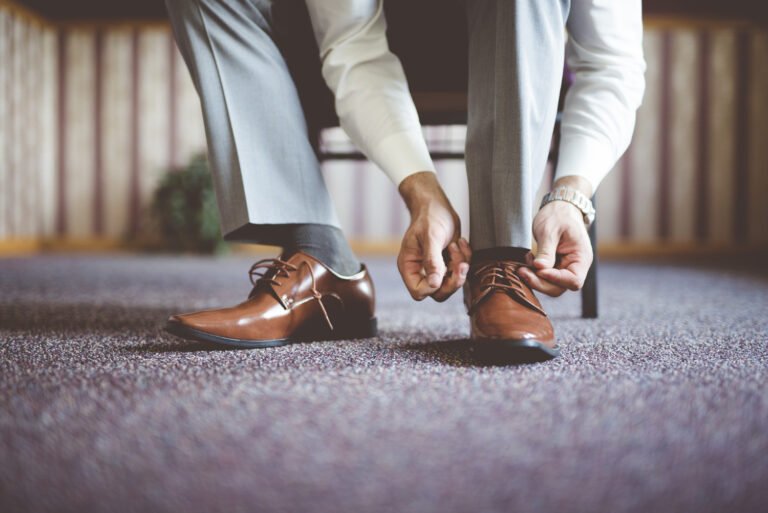
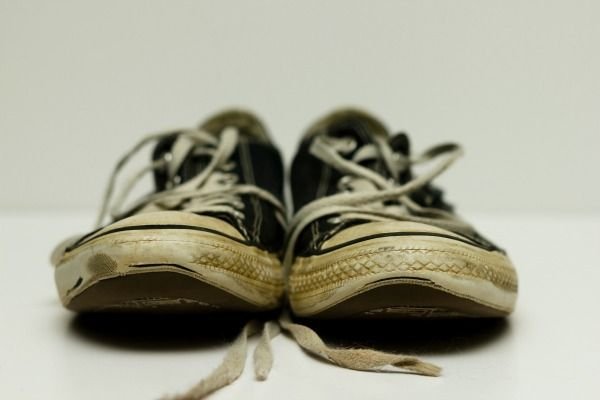
You’ve polished the CV, rehearsed your answers, and sorted the suit. Then you look down and realise your shoes are either scuffed, wrong for the occasion, or both.
It happens more often than you’d think. Interview shoes for men are one of those details that sit right at the edge of conscious awareness — interviewers may not actively focus on them, but they absolutely register when something is off.

Worn-down heels, heavily casual footwear, or shoes that clash with the outfit all create a subtle impression of someone who didn’t fully prepare.
And job interviews are precisely the occasions where preparation is supposed to be obvious.
The flip side is also true: a pair of clean, well-chosen professional shoes quietly reinforces everything else you’re doing right.
They complete the picture of someone who is serious, considerate, and attentive to detail.
There’s another dimension that often gets overlooked entirely: comfort. Interview days are long. There’s usually commuting involved, often waiting, sometimes a facility tour or multiple rounds of meetings.
Shoes that look good on the shelf but turn out to be rigid and unforgiving by hour three are a genuine problem — physical discomfort affects how you carry yourself, how you focus, and ultimately how you present.
This guide covers 15 of the best interview shoes for men, balancing professional appearance with real-world wearability.
It also covers how to choose based on industry and dress code, common mistakes, styling tips, and a buying guide to help you invest wisely.
Quick Answer: Best Interview Shoes for Men
The right interview shoe depends on the industry and dress code:
- Corporate / Finance / Law: Black cap-toe Oxford or dark brown Oxford — polished, conservative, zero distraction
- Business casual / Tech management / Consulting: Brown Derby, burgundy Oxford, or Chelsea boot in dark leather
- Creative / Media / Design: Loafer, Chelsea boot, or clean leather sneaker — smart but not stiff
- Trades / Practical roles: Clean dark leather Derby or smart casual boot
- General safe choice: Brown or black leather Oxford or Derby — works across almost every industry
When in doubt, wear the most conservative option appropriate for the industry. It is always easier to dress down for the role once you’ve secured it than to recover from an underwhelming first impression.
How to Choose Interview Shoes
Read the Industry First
The single biggest mistake men make with interview footwear is applying one standard across all industries. The shoes that read as appropriately professional in investment banking are the same shoes that would read as out of touch in a design studio. Industry context is everything.
Corporate, Finance, Law, Accounting: The most conservative industries have the most conservative footwear expectations. Plain black or very dark brown Oxfords, highly polished, are the correct choice. Anything too decorative, too casual, or too fashion-forward will be perceived negatively by traditional hiring managers in these sectors.
Consulting, Marketing, Business Development: Slightly more flexibility. A dark brown Derby, a burgundy Oxford, or a Chelsea boot in good leather is professional without being overly rigid. The appearance of being buttoned-up matters, but a degree of style awareness is not unwelcome.
Technology (non-technical roles): Business casual is the norm in most tech companies, even at senior levels. Clean leather loafers, Derbies, or Chelsea boots in brown, tan, or cognac tones work well. The dress code is relaxed, but sloppy is still sloppy.
Technology (technical roles): The dress code is the most relaxed of any professional sector. Clean chinos and a smart shirt is usually the expected standard. A clean leather Derby or loafer is more than adequate. White leather sneakers from a premium brand are increasingly accepted in this environment.
Creative industries (design, media, advertising): Personal style is part of the assessment. An interesting shoe — a Chelsea boot, a well-chosen loafer, even a quality leather sneaker — communicates that you have an aesthetic sensibility. Overly conservative dress shoes can read as creatively disengaged.
Healthcare, Education, Public Sector: Conservative and practical. Dark leather Derby or Oxford shoes are standard. Comfort is relevant here since these roles often involve being on your feet.
Trades, Manufacturing, Engineering: Practical footwear matters. If the interview involves a site visit or facility tour, smart but practical footwear is appropriate. If it’s purely office-based, a clean dark Derby works well.
Consider the Dress Code Signal
Many job postings or recruiters will give you some indication of the company’s dress code. If they describe it as “business professional,” your shoes should be fully formal. “Business casual” opens things up to Derbies, loafers, and Chelsea boots. “Casual” in a tech or creative context still means smart — it means no jeans and trainers, not no effort at all.
If you can’t find information about the dress code, default to one level more formal than you think is necessary. Arriving slightly overdressed for an interview communicates effort and respect. Arriving underdressed communicates that you either didn’t research or didn’t care.
Comfort Is Not Optional
In my experience, men underestimate how much interview days physically demand. You’re often commuting in shoes you rarely wear, standing and waiting in reception, sitting through multiple meetings with your posture and energy on display, and possibly being walked through office spaces or facilities.
A shoe that causes discomfort within the first hour will show in how you hold yourself. Subtle shifts in posture, a reluctance to walk confidently, or a distracted edge in your responses are all potential consequences of shoes that hurt.
Prioritise shoes that:
- Have been broken in with at least 3–5 prior wears
- Offer adequate arch support
- Have some form of cushioning in the insole
- Fit properly across the widest part of your foot (not just the length)
If your dress shoes are comfortable but lack cushioning, a quality aftermarket insole — Superfeet, Spenco, or similar — can transform them without altering their appearance.
Match the Shoe to the Outfit
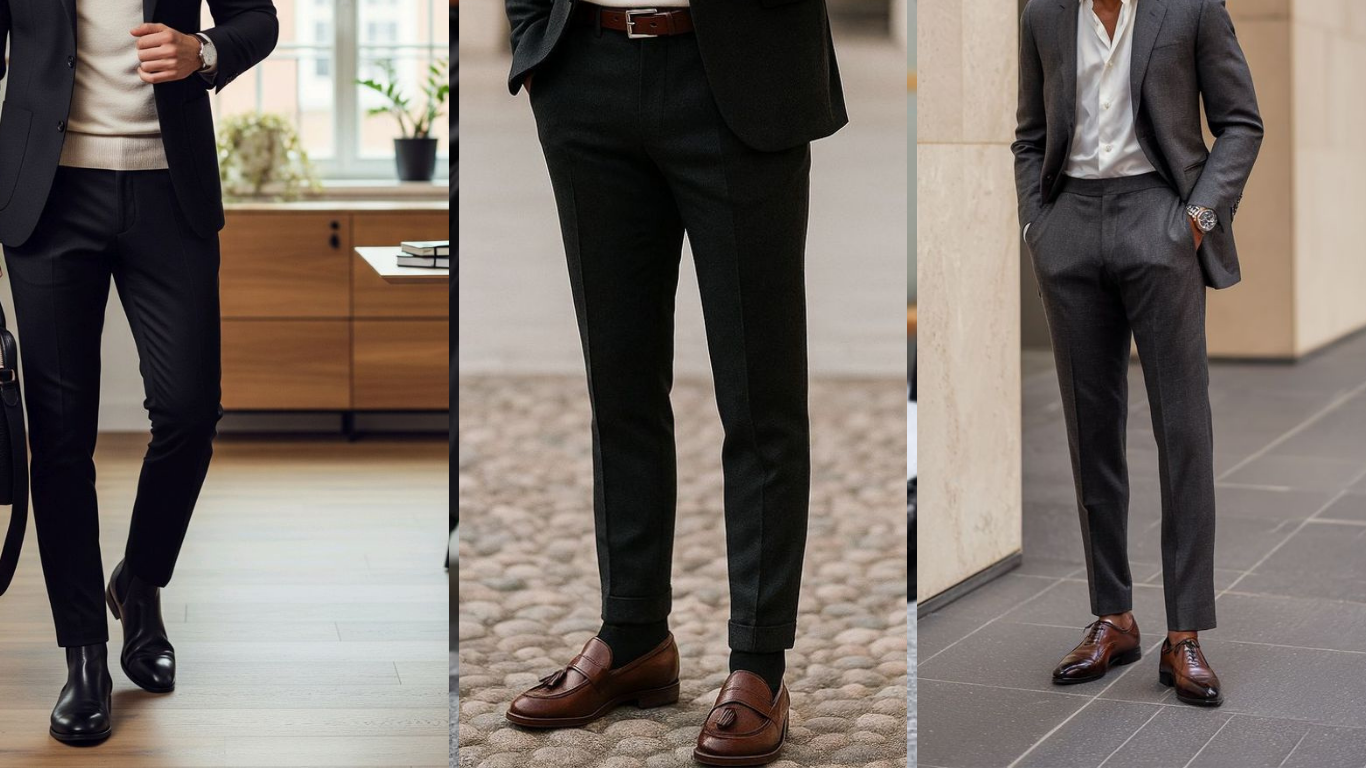
The suit, trousers, or chinos you wear to an interview determine the range of appropriate shoe colours.
Black shoes: Charcoal, black, very dark grey suits. Navy at formal dress code interviews. Avoid black shoes with brown or earth-toned suits.
Dark brown or oxblood: Navy suits, charcoal suits, mid-grey suits. One of the most versatile pairings in professional men’s dress.
Tan or cognac: Navy suits, light grey suits, business casual chinos. Avoid with very dark formal suits.
Burgundy/oxblood: Navy suits, charcoal, mid-grey. One of the most sophisticated interview colour combinations.
Always match your belt to your shoes — same colour, same leather finish. This single rule has an outsized impact on how put-together the overall look appears.
Read also: 15 Shoes for Men to Wear to a Graduation Ceremony
15 Interview Shoes for Men That Look Professional and Feel Comfortable
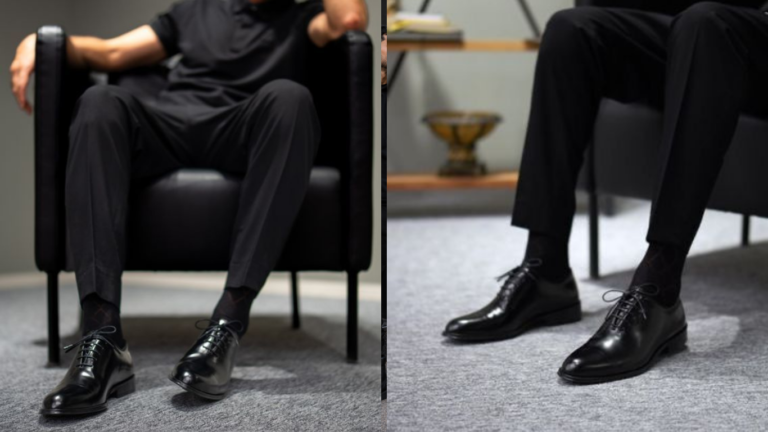
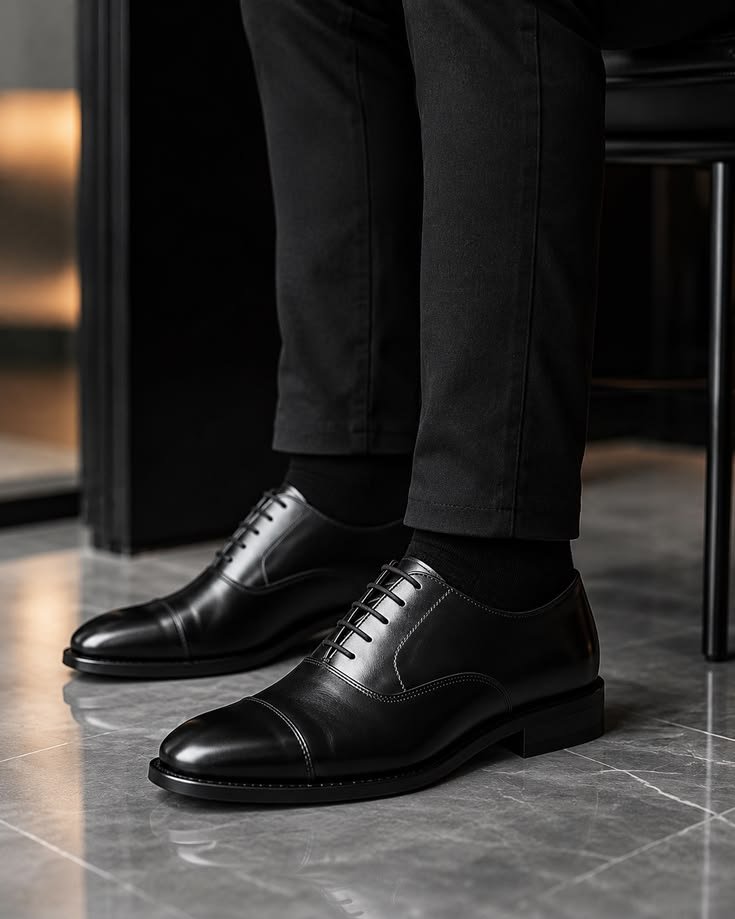
#1 Black Cap-Toe Oxford
Why It Works
The black cap-toe Oxford is the most universally appropriate interview shoe for men in professional, corporate, and formal business settings. Its closed lacing, clean silhouette, and the simple horizontal seam across the toe create a shoe with no unnecessary detail — every visual element communicates seriousness and precision.
In conservative industries like finance, law, and accounting, this is the default correct choice. Hiring managers in these environments have often worn the same shoe themselves for years. It reads as a signal that you understand the culture and respect its codes.
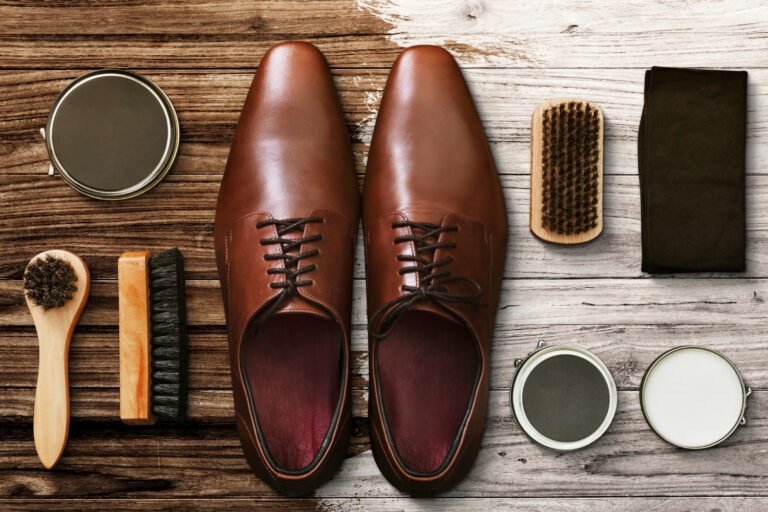
Beyond formality, a quality black Oxford develops a shine when polished that simply looks exceptional in a professional context. The effort of polishing before an interview doesn’t go unnoticed — it’s the kind of preparation that signals the same attention to detail you’d bring to the role.
Best Outfit Pairings
- Charcoal suit + white dress shirt + silk tie
- Black or dark navy suit + white or light blue shirt + dark tie
- Dark grey suit + white shirt + tie
Pros
- The most formally appropriate interview shoe in professional industries
- Clean, conservative silhouette that will never disadvantage you
- Works with every dark formal suit colour
- Polishes to a finish that photographs and presents exceptionally well
Potential Drawbacks
- Too conservative for creative, design, or informal tech environments
- Leather soles can be slippery — rubber-soled or rubber-tipped alternatives are more practical for commuting
Best For
Men interviewing in finance, law, accounting, banking, corporate management, or any other industry with a conservative business professional dress code.
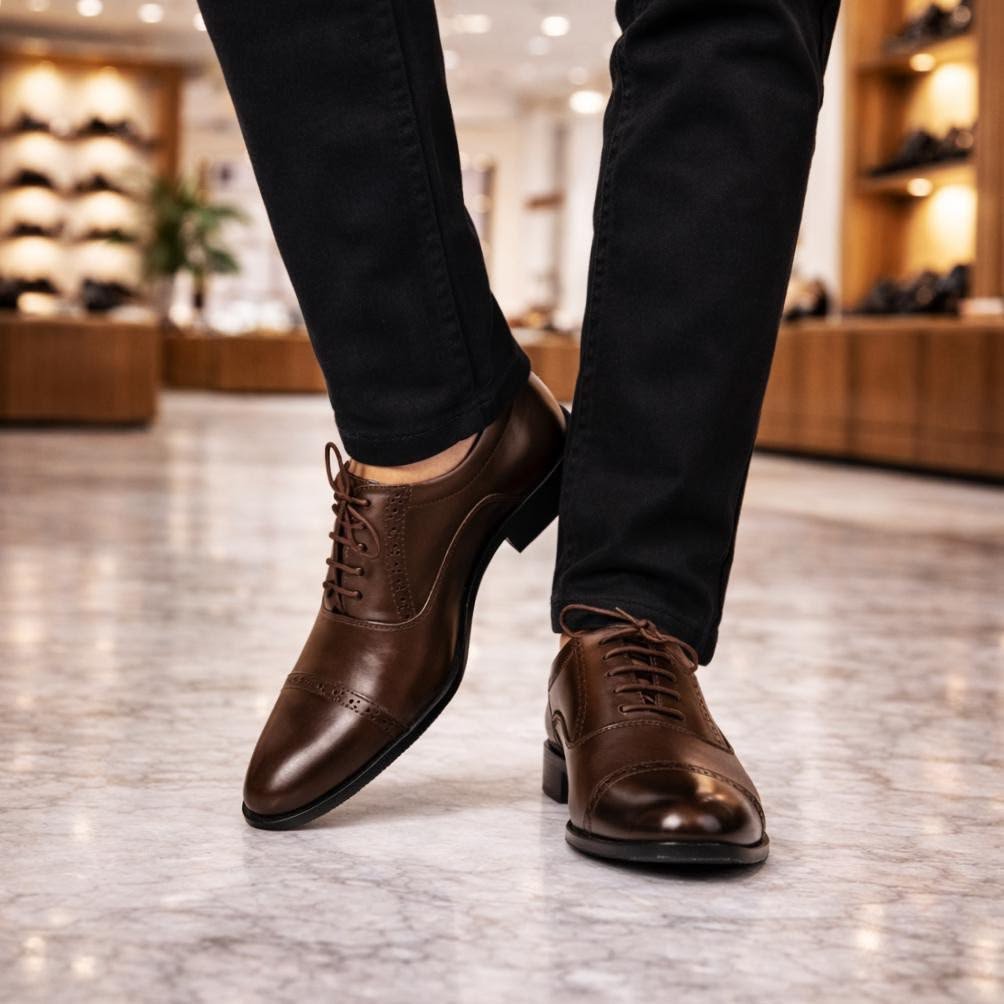
#2 Brown Leather Oxford (Cognac or Dark Brown)
Why It Works
The brown leather Oxford may be the single most versatile interview shoe a man can own. Unlike the black Oxford — which is restricted to formal industry dress codes — a well-chosen brown Oxford works across corporate, business casual, and even smart creative environments.
The colour range available in brown (from pale tan through to near-chocolate) means you can calibrate exactly how formal the shoe reads.
For most interviews, cognac or medium-dark brown is the sweet spot. It’s rich enough to read as considered and professional, warm enough to pair beautifully with the navy suits that most men wear to interviews, and distinctive enough to contribute something positive to the overall impression rather than just filling the role of “shoes.”
Best Outfit Pairings
- Navy suit + white shirt + brown silk tie + cognac Oxford (the classic)
- Charcoal suit + light blue shirt + dark brown Oxford
- Mid-grey suit + white shirt + tan Oxford (business casual)
- Navy chinos + white shirt + blazer + brown Oxford (business casual tech interview)
Pros
- Versatile across formal and business casual dress codes
- Warm tones pair exceptionally well with navy — the most common interview suit colour
- Works across a wider range of industries than black
- Available in a wide range of shades for calibration
Potential Drawbacks
- Not appropriate in the most conservative formal industries where black is the de facto standard
- Light tan or pale shades are too casual for corporate settings
Best For
Men interviewing in consulting, marketing, mid-level corporate roles, business development, financial services (non-banking), and any industry with a business professional or smart business casual dress code.
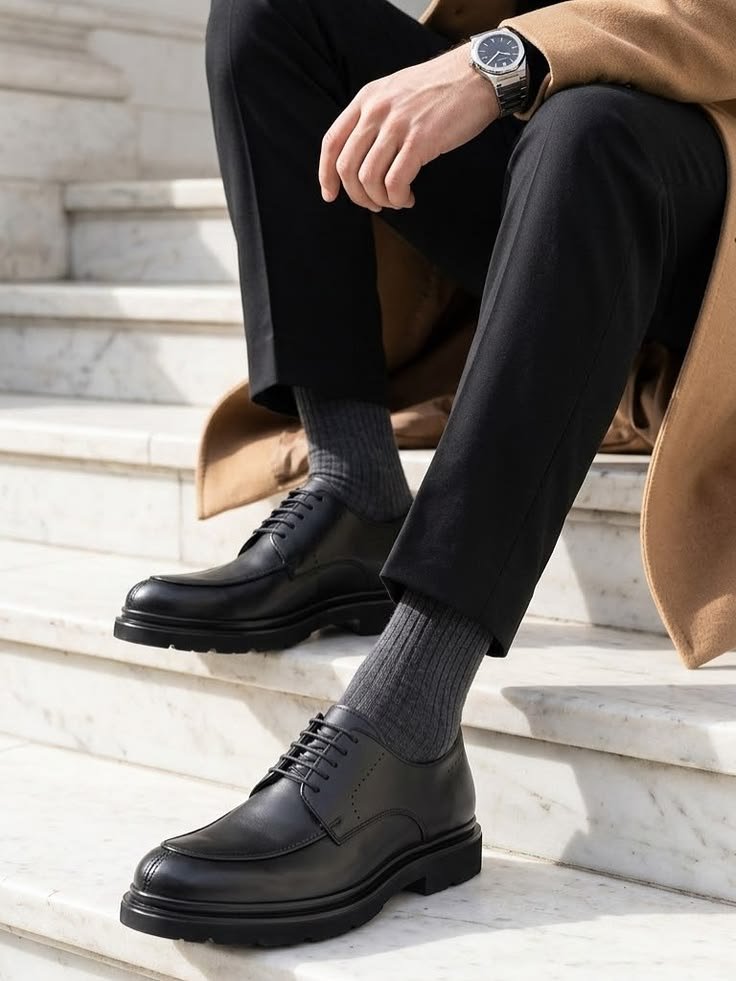
#3 Black Derby Shoe
Why It Works
The black Derby is the open-lacing alternative to the black Oxford. Where Oxford’s closed lacing creates a streamlined, unbroken vamp, the Derby’s construction is marginally more relaxed — the eyelet tabs sit on top of the vamp rather than beneath it.
This makes the Derby fractionally less formal than an Oxford, while remaining entirely appropriate for professional interviews in most industries.
The practical advantage of the Derby over the Oxford is significant for many men: the open lacing accommodates wider foot widths more comfortably and generally allows more adjustment throughout the day as feet swell with extended wear.
For men who find Oxfords restrictive, a black Derby delivers the same professional signal with meaningfully greater comfort.
Best Outfit Pairings
- Charcoal or dark navy suit + white shirt + dark tie
- Black suit + white shirt + black tie (very formal interview contexts)
- Dark grey suit + white shirt + tie
Pros
- Appropriate for corporate and professional interviews — nearly as formal as an Oxford
- More comfortable fit for wider feet and men who find Oxfords restrictive
- The open lacing allows adjustment throughout the day
- Works across all dark formal suit colours
Potential Drawbacks
- Marginally less formal than a black Oxford — matters only in the most conservative sectors
- The open lacing reads slightly less polished in close-up
Best For
Men interviewing in professional or corporate environments who find Oxford shoes uncomfortable or restrictive. An excellent choice for any man who prioritises the combination of professional appearance and all-day comfort.
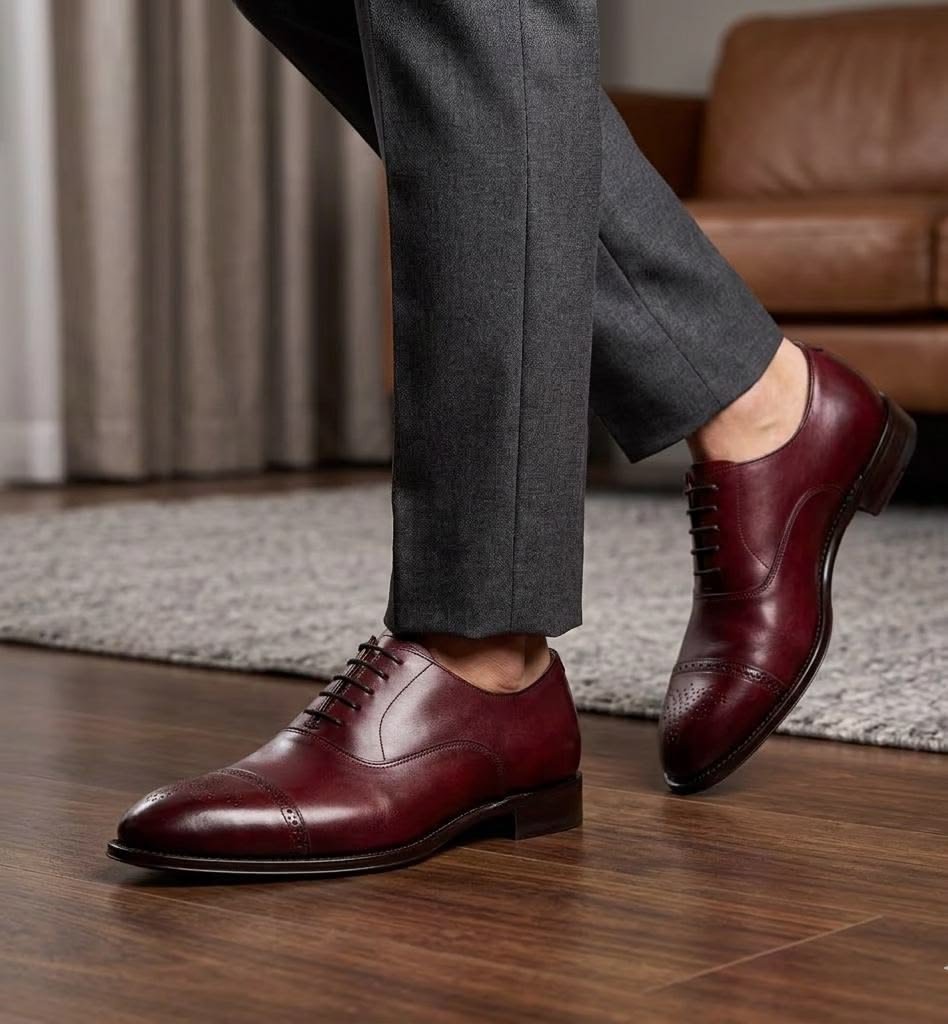
#4 Burgundy / Oxblood Oxford
Why It Works
Burgundy — also called oxblood — is the interview shoe colour that routinely surprises men with how well it lands. It sits in sophisticated territory between brown and dark red, pairs exceptionally with navy and charcoal suits, and communicates something important in an interview context: this person knows how to dress, pays attention to detail, and has made considered choices.
In industries where style awareness is either valued or assessed — consulting, financial services, marketing, communications — a well-chosen burgundy Oxford signals precisely the kind of attention to detail and personal quality that makes for a strong candidate impression.
One mistake many guys make is assuming that burgundy is too distinctive or risky for an interview. In most business professional and business casual settings, the opposite is true — it’s a thoughtful, conservative choice that happens to be more interesting than black or plain brown.
Best Outfit Pairings
- Navy suit + white shirt + burgundy or navy tie + oxblood Oxford (a near-perfect combination)
- Charcoal suit + light blue shirt + dark tie + burgundy Oxford
- Mid-grey suit + white shirt + tie + oxblood Oxford
Pros
- One of the most impressive shoe colours for professional settings when executed well
- Pairs exceptionally with navy — the most common interview suit
- Signals style awareness and attention to detail
- Works across business professional and business casual dress codes
Potential Drawbacks
- Not appropriate in the most conservative industries where only black is expected (investment banking, traditional law firms)
- Bright or vivid burgundy shades veer too casual — only rich, dark tones work professionally
Best For
Men interviewing in consulting, marketing, management, communications, and other professional industries where personal presentation and attention to detail are part of the assessment.
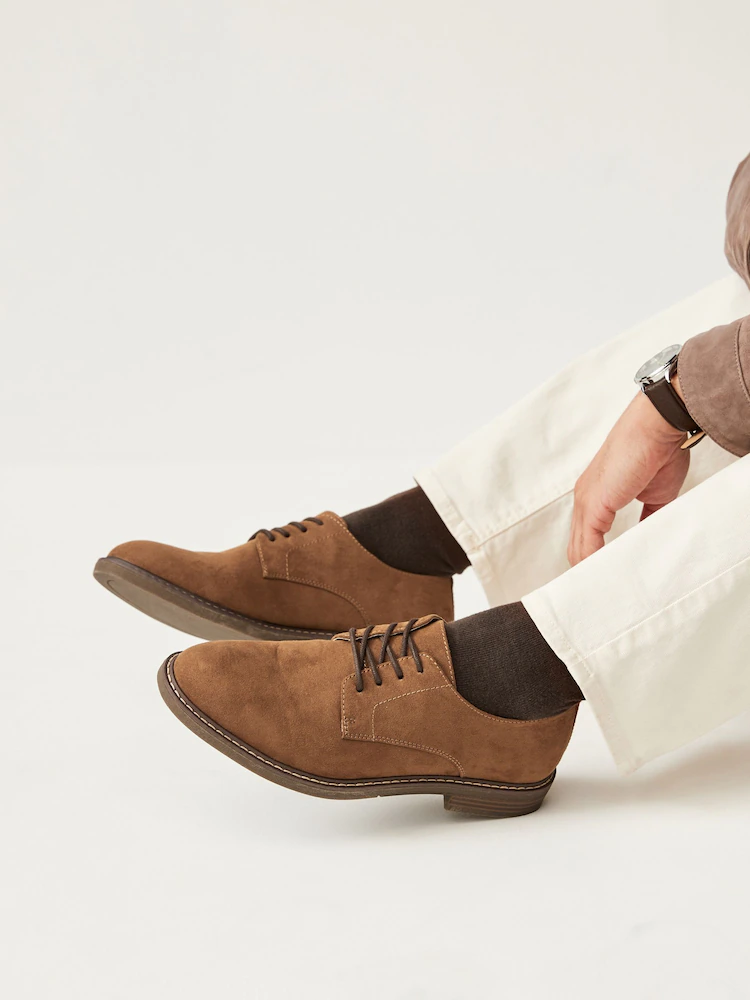
#5 Tan Suede Derby
Why It Works
For business casual interview environments — tech companies, creative agencies, start-ups, or any organisation that describes its culture as relaxed or collaborative — a tan suede Derby hits exactly the right note.
It’s smart enough to communicate that you took the occasion seriously, textured enough to look considered rather than generic, and relaxed enough to not appear over-formal in a casual workplace.
The suede texture adds visual depth that plain leather lacks, particularly in natural light. A tan suede Derby with a navy or grey suit reads as intentional and style-aware without being distracting. In creative and tech environments, this can be a quietly positive signal.
Best Outfit Pairings
- Navy suit + white shirt + no tie + tan suede Derby (business casual)
- Light grey suit + white shirt + tan suede Derby (smart casual)
- Navy chinos + white shirt + blazer + tan suede Derby (business casual tech interview)
- Grey trousers + navy blazer + white shirt + tan suede Derby
Pros
- Excellent for business casual interview environments
- The suede texture adds visual interest that plain leather lacks
- Comfortable from the outset — suede is softer than stiff new leather
- Works well with navy and grey tones
Potential Drawbacks
- Not appropriate for conservative or formal industry interviews
- Suede requires waterproofing spray — vulnerable to wet commutes
- Should not be worn in rain without adequate waterproofing
Best For
Men interviewing at tech companies, start-ups, creative agencies, media organisations, or any employer with a business casual or casual-smart dress code.
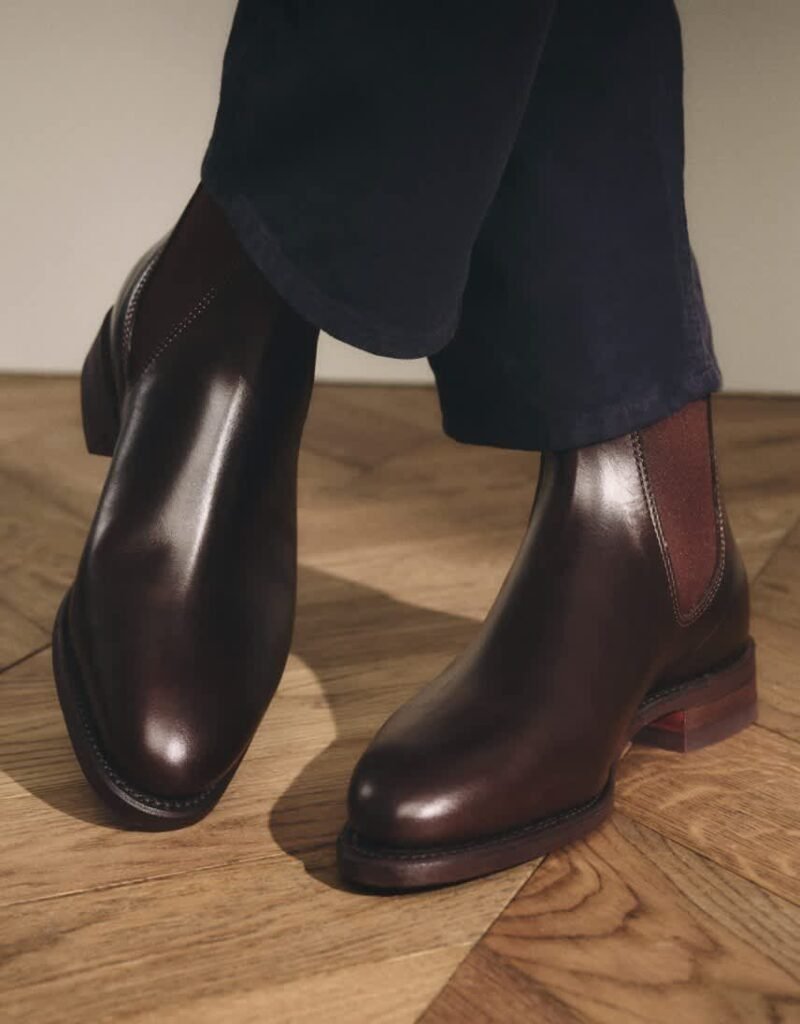
#6 Chelsea Boot (Black or Dark Brown Leather)
Why It Works
The Chelsea boot has become one of the strongest interview shoe options for men in modern professional environments.
Its clean, unbroken silhouette — no laces, minimal seaming, a single elastic gusset on each side — creates an exceptionally clean line from trouser hem to floor, particularly with slim or tapered trousers.
Black leather Chelsea boots work for semi-formal and business casual interviews. Dark brown Chelsea boots are excellent for business casual and creative professional settings.
The modern, European aesthetic they project is well-suited to industries where style consciousness is an asset.
The practical advantage of Chelsea boots for interview days is also worth noting: the slip-on design makes commuting significantly more convenient, and the slightly higher ankle cut provides more support for extended walking and standing.
Best Outfit Pairings
- Slim-cut navy suit + white shirt + black Chelsea boot (semi-formal modern)
- Charcoal suit + black Chelsea boot + white shirt + dark tie
- Navy chinos + white shirt + blazer + brown Chelsea boot (business casual)
- Grey suit + black turtleneck + black Chelsea boot (creative industry)
Pros
- Modern, clean silhouette that works well with contemporary suiting
- Appropriate across business professional and business casual dress codes
- Excellent for men with slim or tapered trouser wardrobes
- Comfortable and practical for commuting
Potential Drawbacks
- Not appropriate for very conservative or traditional industries (investment banking, traditional law)
- The boot silhouette requires slim-cut or tapered trousers — works poorly with wider leg openings
- Suede Chelsea boots are too casual for most professional interview contexts
Best For
Men interviewing in consulting, tech management, marketing, creative industries, and any employer with a modern or business casual work culture.
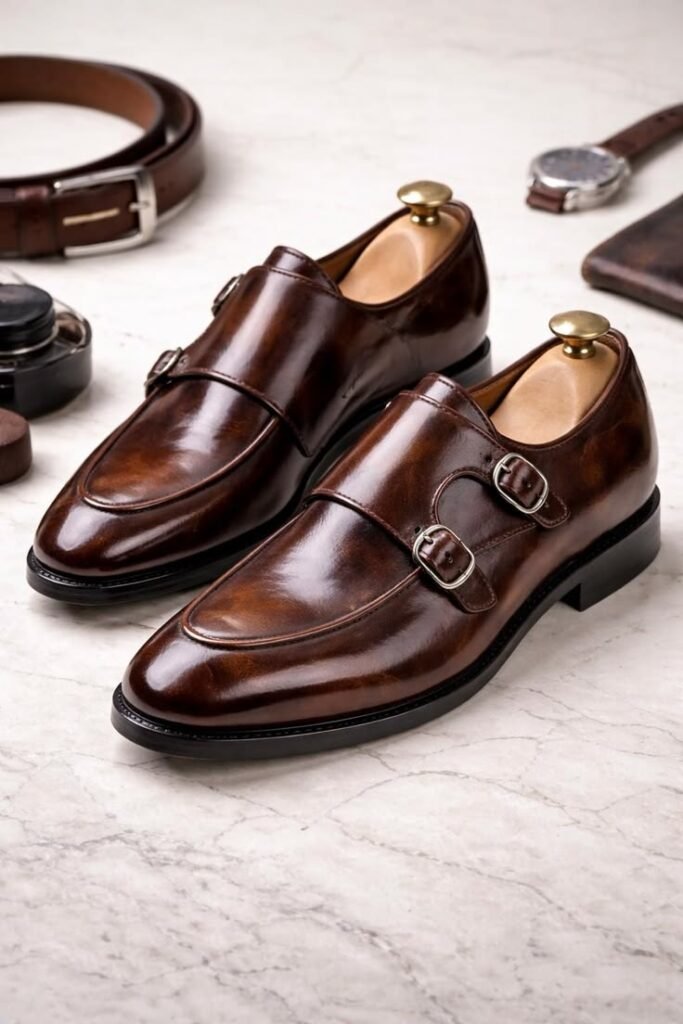
#7 Double Monk Strap (Dark Brown or Black)
Why It Works
The double monk strap is the shoe for men who want their footwear to communicate style awareness without sacrificing professional credibility.
The two buckled straps across the instep, in place of laces, give the shoe a distinctive continental character that signals you understand men’s dress at a level above the basics.
In business professional and high-end business casual contexts, a double monk strap in plain black or dark brown leather reads as sophisticated and considered.
For roles where personal presentation is part of what’s being assessed — client-facing positions, senior management, communications, business development — this can be a genuinely positive signal.
The practical benefit over lace-up shoes is convenience: no lacing to manage during a commute or between meetings.
Read also: 15 Shoes for Men to Wear to a Graduation Ceremony
Best Outfit Pairings
- Navy slim-cut suit + white shirt + tie + dark brown monk strap
- Charcoal suit + white shirt + dark tie + black monk strap
- Navy chinos + white shirt + blazer + tan monk strap (business casual)
Pros
- Highly distinctive without being inappropriate
- Signals advanced style awareness — a positive in the right industry
- The buckle hardware adds a quality feel without being excessive
- Works across business professional and business casual contexts
Potential Drawbacks
- Too fashion-forward for the most conservative industries
- The buckle hardware can attract attention — unsuitable if you want footwear to be invisible
- Brogued monk straps are too decorative for most professional interview contexts
Best For
Men interviewing for client-facing, management, consulting, or communications roles where polished personal presentation is part of the assessment criteria.
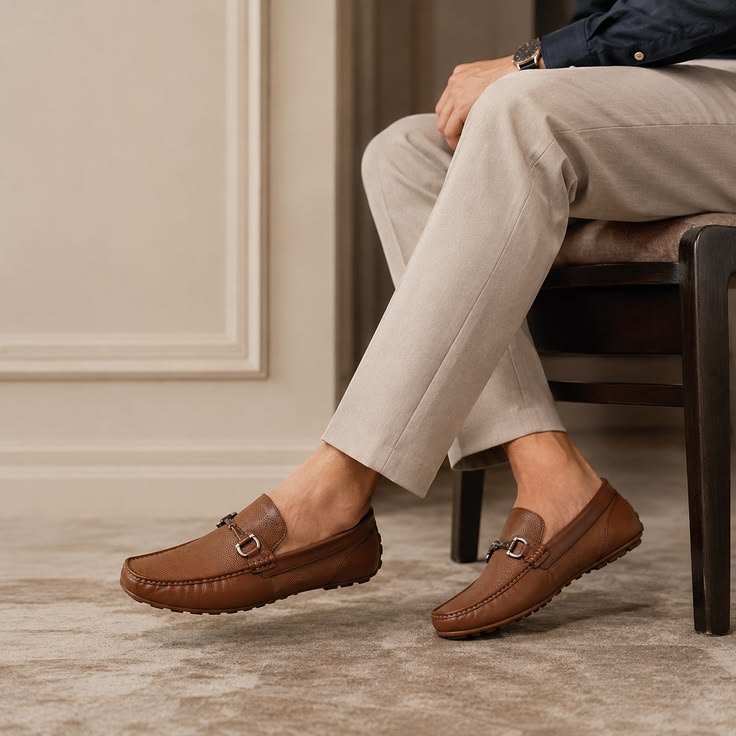
#8 Loafer (Leather, Dark Tones)
Why It Works
A leather loafer — penny or plain — in dark brown, burgundy, or black is a strong business casual interview shoe for a range of modern professional environments.
The slip-on design is practical for interview days involving travel; the absence of laces gives a clean visual line, and in the right industry context, the loafer communicates confidence and ease in equal measure.
In tech, creative, and media environments where over-formal dress codes are actively discouraged, a well-chosen leather loafer reads as exactly the right level of smart — put together without being stiff.
The key differentiator is the style of loafer. Plain leather penny loafers and simple moccasin-toe styles are most appropriate for interviews.
Tassel loafers add decorative detail. Horsebit loafers have metal hardware. Both can work in fashion-forward environments but should be approached with care in more conservative settings.
Best Outfit Pairings
- Navy or grey chinos + white shirt + blazer + brown penny loafer (tech/creative)
- Mid-grey suit + white shirt + no tie + dark brown loafer (business casual)
- Navy trousers + white OCBD + dark blazer + burgundy loafer
- Slim chinos + white shirt + navy blazer + tan leather loafer
Pros
- Excellent for business casual and creative professional interview environments
- Comfortable from the outset — no break-in required
- Practical for commuting and extended wear
- Versatile beyond the interview occasion
Potential Drawbacks
- Not appropriate for formal or conservative industry interviews
- Overly casual loafer styles (suede, driving moccasins) are not appropriate for interviews
- Plain leather is essential — decorative hardware should be avoided in conservative contexts
Best For
Men interviewing in tech (non-engineering), creative agencies, media, start-ups, and organisations with an established business casual culture.
#9 Brogue Oxford (Half Brogue, Brown)
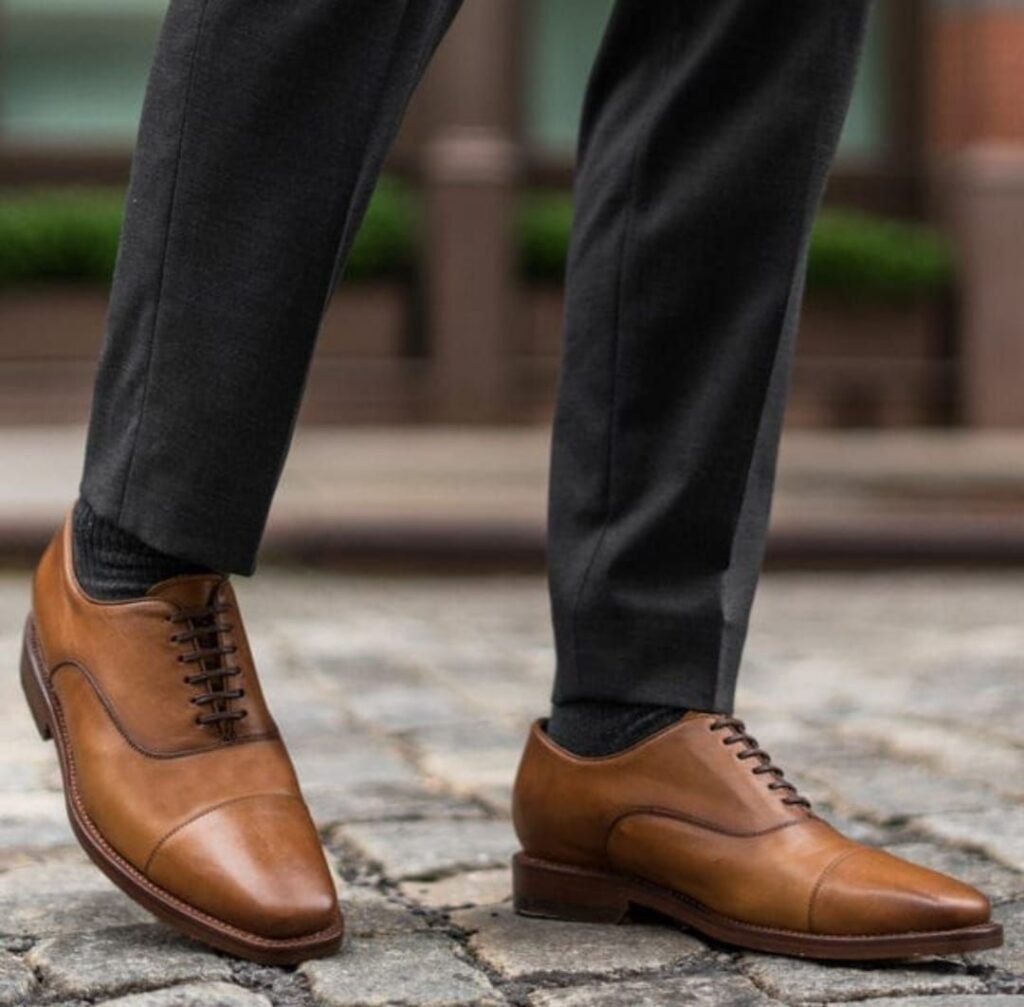
Why It Works
A half-brogue Oxford — the version with only minimal perforating along the cap-toe seam rather than the full wingtip broguing — is an excellent interview shoe for men who want a professional dress shoe with slightly more visual character than a plain-toe Oxford.
The broguing adds texture and personality without compromising the shoe’s overall formality in business professional or business casual contexts.
In medium or dark brown leather, a half-brogue Oxford is one of the most versatile and attractive interview shoes available. It pairs beautifully with navy and grey suits, reads as considered and intentional, and hits a mark between overly conservative and distractingly decorative.
Best Outfit Pairings
- Navy suit + white shirt + tie + medium brown half-brogue Oxford
- Charcoal suit + light blue shirt + tie + dark brown half-brogue
- Grey suit + white shirt + tie + tan half-brogue Oxford (business casual)
Pros
- Adds personality and texture to a traditional dress shoe without sacrificing formality
- Works across business professional and business casual dress codes
- Pairs exceptionally well with navy suits
- The broguing adds visual interest that improves with the shoe’s age
Potential Drawbacks
- Full brogues (wingtip) are too casual for formal interview contexts
- Not appropriate in the most conservative corporate environments
- Black half-brogues are near-invisible in black-on-black — brown is a stronger choice here
Best For
Men interviewing in business professional, consulting, and business casual environments where some personality in the footwear is appropriate.
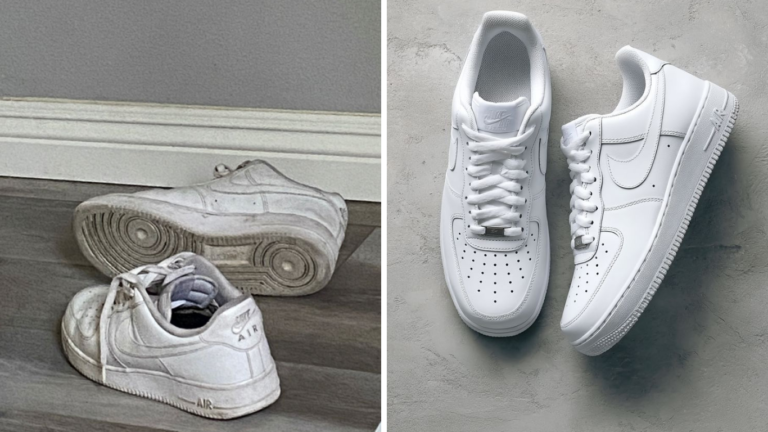
#10 Clean White Leather Sneaker (Premium, Minimal)
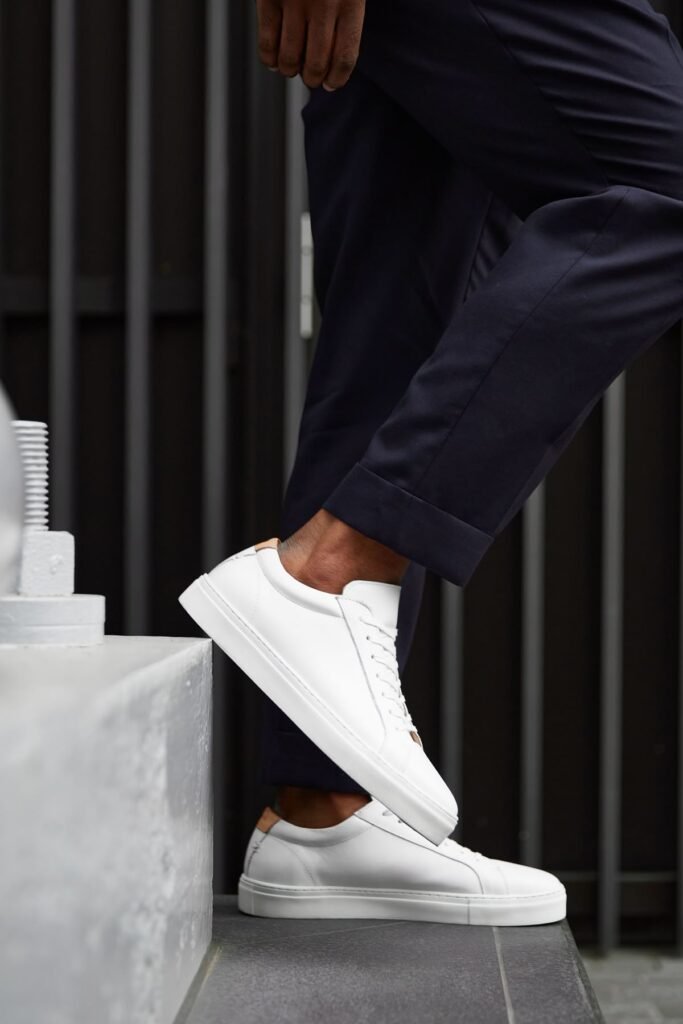
Why It Works
This is the entry on the list that requires the most careful contextual judgement — and is increasingly appropriate in a growing number of professional environments.
In tech, creative, design, and forward-thinking organisations, a pair of pristine white leather minimal sneakers communicates exactly the right blend of style awareness and casual confidence.
The key qualifiers are significant: premium brand, minimal design (no thick soles, no aggressive styling, no athletic branding), and absolutely pristine condition.
Brands like Common Projects, Veja, or similar minimalist labels produce shoes that read as considered clothing choices rather than athletic footwear.
In the right industry — and only in the right industry — these are a legitimate, well-chosen interview option. In finance, law, or traditional corporate settings, they are not appropriate regardless of how premium or clean they are.
Best Outfit Pairings
- Well-fitted chinos + white or grey OCBD + simple blazer + white sneaker (tech/creative)
- Navy slim trousers + white shirt + smart blazer + white sneaker
- Smart dark jeans + white or light blue shirt + blazer + white sneaker (creative only)
Pros
- Perfect for tech, creative, and design industry interviews
- Communicates style awareness and cultural fit in casual-smart environments
- Extremely comfortable for long interview days
- Increasingly accepted across a widening range of modern workplaces
Potential Drawbacks
- Completely inappropriate for corporate, finance, law, or any conservative industry
- Condition is everything — a single scuff undermines the entire look
- Requires industry and company research to deploy safely
Best For
Men interviewing at tech companies, design studios, creative agencies, start-ups, and any organisation with an explicitly relaxed or casual professional culture.
#11 Dark Suede Chelsea Boot
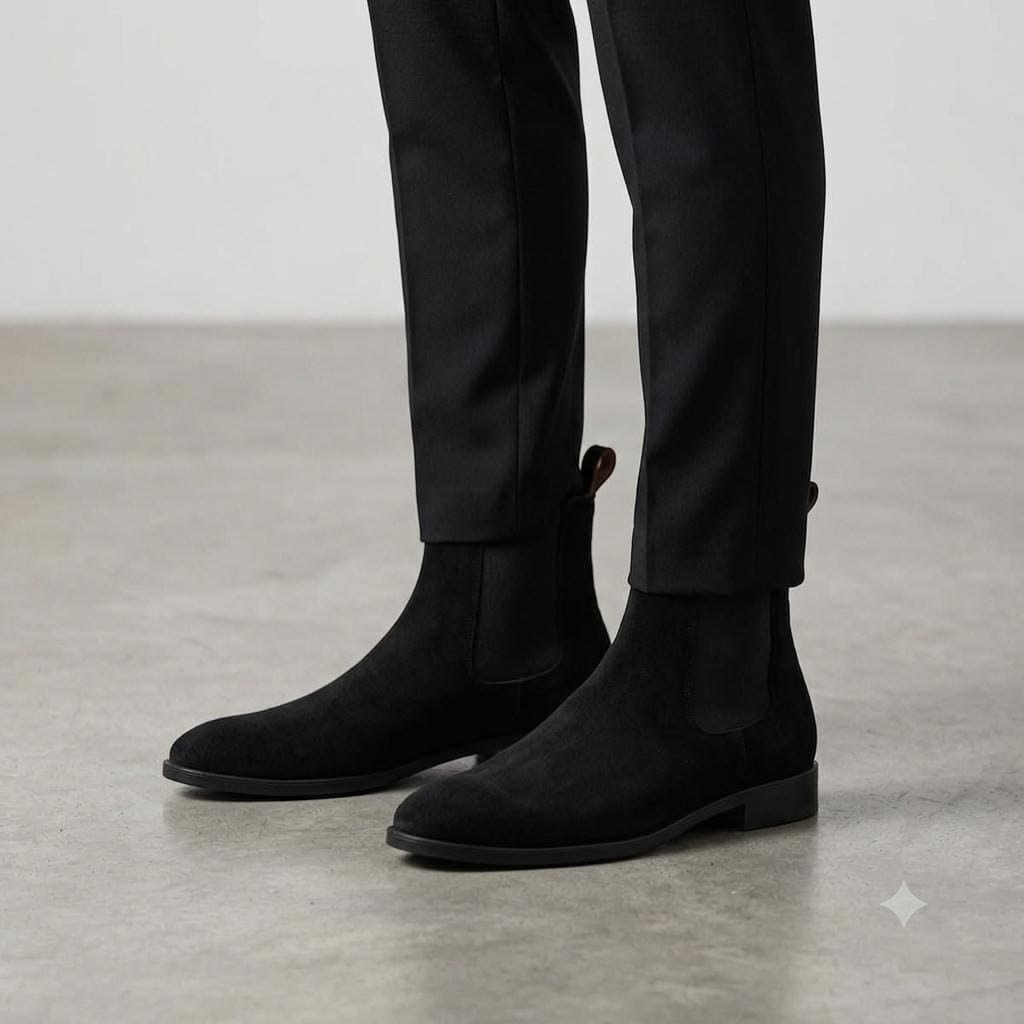
Why It Works
The dark suede Chelsea boot occupies a specific niche in interview footwear: it works exceptionally well in creative, media, and fashion-adjacent professional environments where texture and material awareness are part of the visual vocabulary.
In charcoal, dark navy, or very dark brown suede, a Chelsea boot reads as considered and fashion-forward in exactly the way these industries value.
The suede texture softens the boot’s silhouette, making it look more artistic and less corporate than its leather counterpart. For roles in fashion, interiors, editorial media, or advertising, this can be a distinctly positive signal.
Best Outfit Pairings
- Dark slim-cut suit + roll-neck + dark suede Chelsea boot (creative industry)
- Navy chinos + white shirt + blazer + charcoal suede Chelsea boot (media/advertising)
- Grey trousers + navy blazer + dark suede Chelsea boot
Pros
- Strong choice for creative and fashion-adjacent professional environments
- Suede’s texture adds material sophistication
- Clean silhouette creates a good visual line with slim trousers
- Comfortable and practical
Potential Drawbacks
- Not appropriate for corporate, finance, or traditional professional interviews
- Requires waterproofing spray — vulnerable to wet conditions during commuting
- Too casual for most business professional contexts
Best For
Men interviewing in fashion, editorial, advertising, interiors, architecture, or any role where aesthetic sensibility is part of the position being assessed.
#12 Leather Derby (Tan or Cognac)
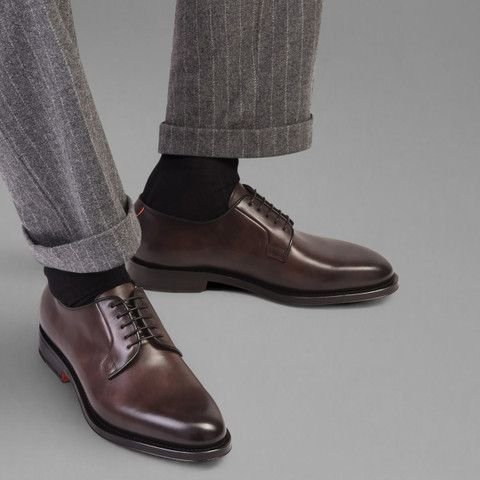
Why It Works
A tan or cognac leather Derby is one of the most comfortable and versatile interview shoes for business casual environments. The open lacing provides a generous, comfortable fit.
The warm colour tones pair naturally with navy and grey suiting. And the Derby’s slightly relaxed construction reads as appropriate for any organisation that describes its culture as collaborative, open, or non-hierarchical.
For men who spend much of their working life in business casual environments, this is an excellent choice: professional enough to signal you took the interview seriously, relaxed enough to fit naturally in the culture you’re hoping to join.
Best Outfit Pairings
- Navy chinos + white shirt + tan Derby (tech/business casual)
- Light grey suit + white shirt + cognac Derby
- Navy suit + white shirt + no tie + cognac Derby (business casual semi-formal)
- Smart trousers + OCBD + blazer + tan Derby
Pros
- One of the most comfortable dress shoe constructions for extended wear
- Warm tones pair beautifully with navy and grey
- Appropriate across business casual and semi-formal interview contexts
- Wide range of shades allows precise calibration to outfit and industry
Potential Drawbacks
- Too casual for formal corporate or traditional law/finance interviews
- Very light tan shades read as insufficiently professional in most contexts
Best For
Men interviewing in business casual environments — tech management, marketing, communications, mid-level corporate roles, financial services (non-banking), and professional services.
#13 Cap-Toe Derby (Black or Dark Brown)
Why It Works
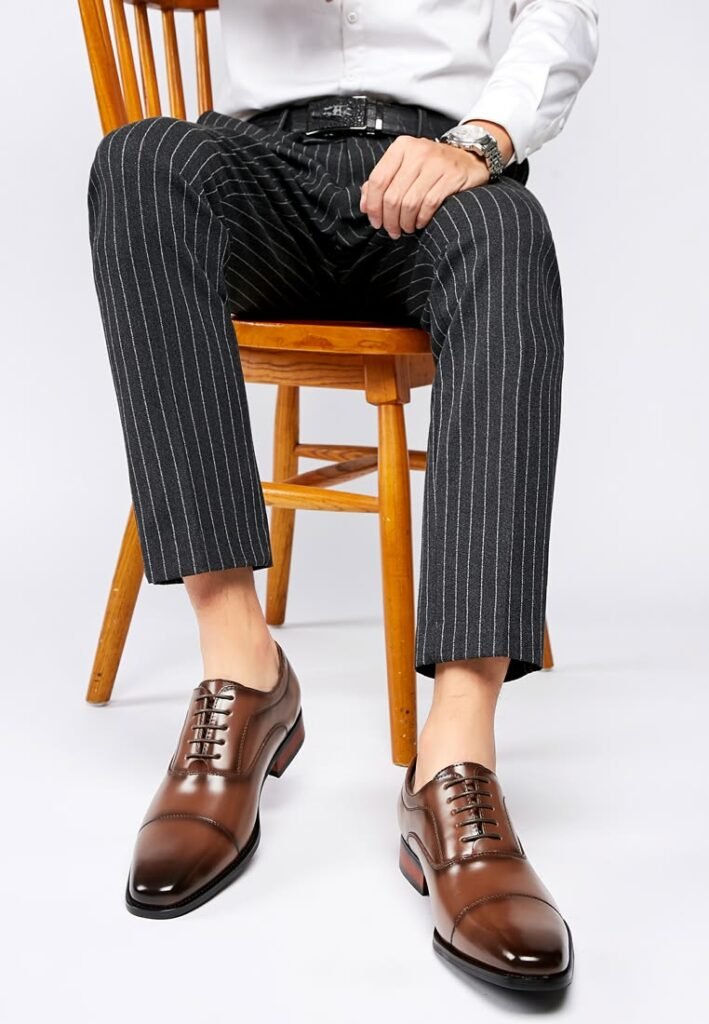
The cap-toe Derby combines the formality of the cap-toe seam with the comfort and accessibility of the Derby’s open lacing. It is marginally less formal than a cap-toe Oxford but more visually distinctive than a plain-toe Derby — an excellent middle ground for professional interviews where the Oxford feels too stiff but something plain feels too generic.
In black, a cap-toe Derby works for business professional interviews across most industries. In dark brown, it’s an excellent business casual and semi-formal interview shoe with more personality than a plain-toe alternative.
Best Outfit Pairings
- Charcoal suit + white shirt + dark tie + black cap-toe Derby
- Navy suit + white shirt + tie + dark brown cap-toe Derby
- Mid-grey suit + white shirt + no tie + dark brown cap-toe Derby (business casual)
Pros
- The cap-toe detail adds visual interest without compromising professionalism
- More comfortable than an Oxford with equivalent visual formality
- Works across business professional and business casual contexts
Potential Drawbacks
- The cap-toe seam, though subtle, adds decoration that isn’t appropriate for the most conservative corporate environments
Best For
Men who want a professional interview shoe with slightly more visual character than a plain-toe Oxford or Derby, across business professional and business casual dress codes.
#14 Dark Leather Loafer (Horsebit or Tassel — Selected Contexts)
Why It Works
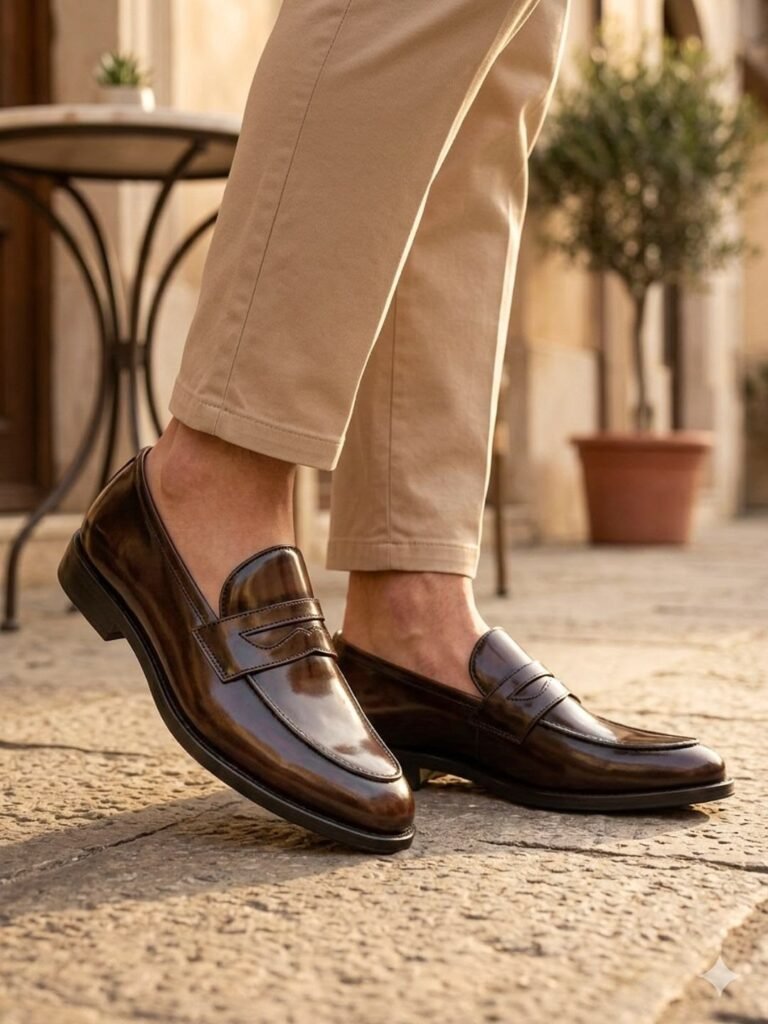
Horsebit and tassel loafers carry more decorative detail than plain penny loafers, and this limits their appropriateness to specific interview contexts.
In fashion, luxury retail, advertising, and hospitality management environments, however, a well-chosen horsebit or tassel loafer in dark brown or burgundy can be an excellent interview shoe — signalling taste, confidence, and familiarity with quality.
The horsebit loafer in particular — associated with Gucci and the broader heritage of Italian luxury footwear — reads as intentionally sophisticated in creative and luxury professional contexts. It’s a shoe that requires confidence to wear to an interview, but in the right setting, that confidence reads as a positive quality.
Best Outfit Pairings
- Navy suit + white shirt + no tie + dark brown horsebit loafer (luxury/fashion industry)
- Smart navy chinos + white shirt + blazer + tassel loafer (creative/advertising)
- Grey trousers + blazer + white shirt + tassel loafer
Pros
- Signals strong aesthetic awareness in creative and luxury professional contexts
- Comfortable and practical
- The hardware or tassel detail adds personality appropriate in the right industry
Potential Drawbacks
- Completely inappropriate for conservative corporate interviews
- The decorative detail can read as overly casual or fashion-forward in traditional settings
- Requires high confidence to execute well
Best For
Men interviewing in fashion, luxury retail, high-end hospitality, advertising, and creative industries where aesthetic confidence is a professional asset.
#15 Leather Oxford With Rubber Sole
Why It Works
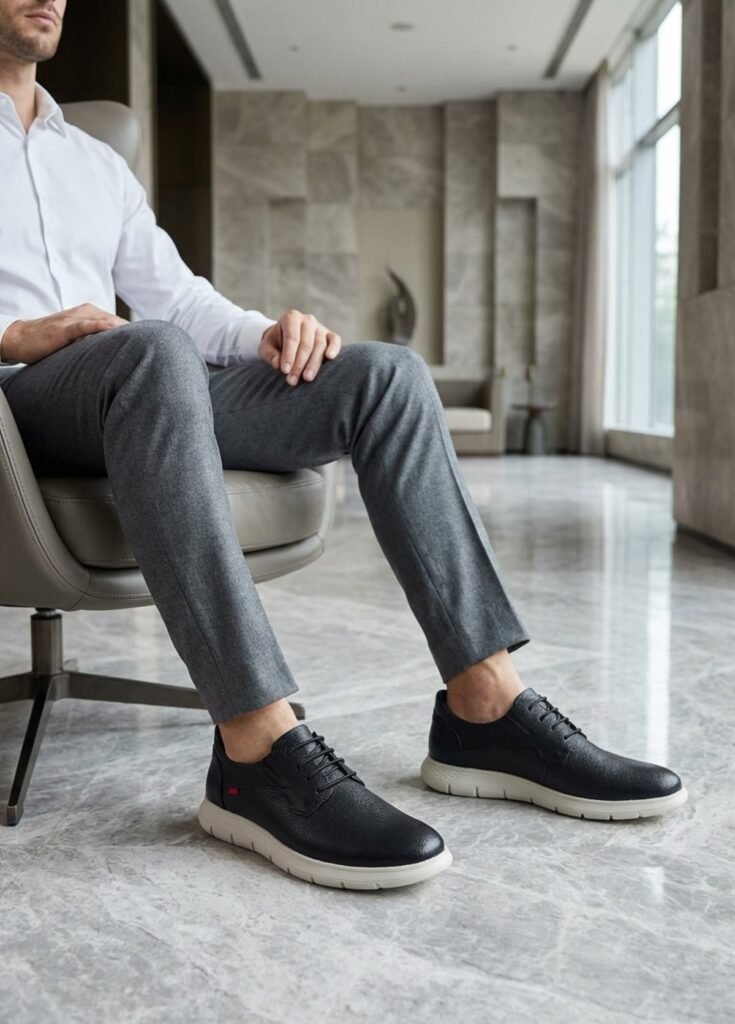
This final entry addresses a practical reality that many interview guides ignore: a significant number of interviews involve commuting by public transport, walking in variable weather, or navigating unfamiliar urban environments.
A leather Oxford with a thin rubber sole — or a leather Oxford that has had a rubber heel tip professionally added — delivers the full professional visual appearance of a traditional dress shoe with dramatically improved grip, cushioning, and water resistance.
For men who work and interview in cities, this is not a compromise — it’s a sensible upgrade. Quality manufacturers, including Samuel Windsor, Loake, and Tricker’s, all produce rubber-soled dress shoes that are visually indistinguishable from leather-soled counterparts at normal distances. The slight additional sole thickness actually improves the shoe’s profile slightly.
Read also: 18 Black Timberland Outfit Ideas for Men
Best Outfit Pairings
- Any dark suit combination appropriate to the industry
- Particularly useful when commuting by tube, bus, or in wet conditions
Pros
- Full professional visual appearance of a leather Oxford
- Significantly better grip for commuting and urban environments
- More comfortable for extended walking and standing
- Better water resistance than leather soles
Potential Drawbacks
- The very small number of traditional dress shoe purists who inspect soles closely may note the rubber — this is practically irrelevant in an interview context
Best For
Men who commute to interviews by public transport, work in cities, or need to walk significant distances as part of their interview day.
Interview Shoe Mistakes to Avoid
Wearing shoes in poor condition. Cracked leather, worn-down heels, scuffed toes, and deteriorated soles all communicate the same thing: you didn’t fully prepare. Polish dress shoes the night before. Replace worn heel tips if time allows. Brush suede and check the condition of the nap.
Going overly casual for the industry. A minimalist white sneaker at a law firm interview or a driving moccasin at a corporate banking interview creates an immediate impression of cultural misjudgement. Research the company’s culture before choosing your footwear.
Going overly formal for the industry. Arriving at a tech start-up in a full formal suit and patent leather Oxfords can signal that you don’t understand the environment you’re hoping to join. In creative and tech industries, being too buttoned-up can be as damaging as being too casual.
Wearing brand-new shoes. New shoes haven’t conformed to your foot. They can cause pressure points, blisters, and discomfort within the first hour. Wear any new interview shoes at least three to five times before the day itself.
Mismatching belt and shoes. A black shoe with a brown belt, or a formal leather shoe with a casual fabric belt, creates a visual inconsistency that suggests carelessness. Match leather colour and finish between belt and shoes — always.
Ignoring the commute. Dress shoes with leather soles and no grip are not designed for underground escalators, wet pavements, or cobblestones. Either choose rubber-soled dress shoes or be prepared to carry your shoes and change on arrival.
Wearing shoes that are too tight. Foot volume increases during a day of walking and standing. Shoes that fit perfectly at 9 am can feel constraining by 11 am. Ensure there is a small amount of room at the toe box and that the widest part of your foot isn’t compressed by the upper.
Expert Style Tips for Interview Day
Polish the night before, not the morning of. Wax polish applied the night before has time to fully absorb and be buffed to a proper shine. Polish applied hastily on the morning of an interview often hasn’t dried fully and can transfer onto trousers.
Match leather finishes throughout. Your belt, your watch strap, and any leather accessories should share a broadly consistent finish — matte leather with matte leather, polished with polished. This level of coordination reads as highly considered without being showy.
Use shoe trees overnight. Cedar shoe trees absorb moisture from inside the shoe and maintain the correct shape over time. After wearing dress shoes, inserting shoe trees before storage keeps the leather from creasing excessively at the toe box.
Know the company before choosing the shoes. If you can find photographs of employees at the organisation on LinkedIn or the company website, look at what they’re wearing to work. This tells you far more about the actual dress code than any job description will.
Add a cushioned insole. If your dress shoes are in good visual condition but lacking in comfort, a quality over-the-counter insole can transform them. Trim to fit, insert before the interview, and remove when the interview shoes are not in use.
Carry a cloth. For men commuting to interviews, a small polishing cloth carried in a jacket pocket allows you to quickly buff away any scuffs or marks acquired in transit before entering the building.
Think about trouser break. The way your trouser hem falls on the shoe matters. Too long and the trousers puddle; too short and there’s a gap between the hem and the shoe. The hem should rest gently on the shoe with a minimal break. This small detail creates a far cleaner overall line.
Complete Interview Outfit Ideas
1. Navy Suit + White Shirt + Silk Tie + Cognac Oxford. The most consistently effective interview combination in business professional environments. The warm cognac against cool navy creates a polished contrast. Add a white pocket square for maximum impact.
2. Charcoal Suit + White Dress Shirt + Dark Tie + Black Cap-Toe Oxford. The conservative choice for traditional industries. Finance, law, and accounting hiring managers have seen this combination thousands of times — which is exactly why it works. It communicates that you understand the culture.
3. Navy Suit + White Shirt + No Tie + Brown Derby Business casual done well. The absence of a tie brings the formality down, while the suit and quality shoes maintain professional credibility. Works for consulting, marketing, and tech management interviews.
4. Grey Suit + Light Blue Shirt + Burgundy Oxford: A sophisticated colour combination that signals attention to detail without ostentation. The burgundy and grey work beautifully together. Works across business professional and business casual environments.
5. Navy Chinos + White OCBD + Navy Blazer + Tan Suede Derby: The business casual non-suit combination. Clean, considered, and appropriate for tech, start-up, creative, or any environment where a full suit would read as over-formal.
6. Slim-Cut Charcoal Suit + White Shirt + Black Chelsea Boot: A modern alternative to the traditional dark suit and Oxford combination. The Chelsea boot creates a clean silhouette with slim trousers and works well for consulting, media, and forward-thinking professional environments.
7. Slim Chinos + White Shirt + Smart Blazer + Minimal White Leather Sneaker: The creative and tech interview combination. Requires the right industry — but in that industry, it reads as exactly the right level of smart-casual. The quality of each piece matters.
8. Navy Suit + White Shirt + Navy Tie + Black Derby: A safer alternative to the full Oxford combination for men who prioritise comfort. The Derby’s open lacing is less restrictive and nearly as formal as an Oxford in business professional contexts.
Comfort and Practicality on Interview Day
Interview days are physically more demanding than most men anticipate. Here’s what to account for:
Cushioning: Standard dress shoe insoles are often minimal. Consider adding a quality cushioned insole from a brand like Superfeet or Spenco — they can be cut to size and fitted without altering the shoe’s exterior appearance.
Arch support: Men with flat arches or who spend significant time standing will benefit from insoles with additional arch support. A custom orthotic is ideal; a quality over-the-counter alternative is a practical solution.
Break-in time: Three to five prior wears is the minimum before wearing any new shoe to an extended event. Leather shoes in particular need wear time to soften and conform to the shape of your foot.
Foot swelling: Feet swell slightly during the course of a day. Shoes that fit perfectly at 8am may feel tight by noon. Ensure there is a small amount of room at the widest part of the foot and at the toe box.
Commuting practicality: Rubber-soled dress shoes, or dress shoes with a rubber heel tip added by a cobbler, are significantly more practical for urban commuting than leather-soled alternatives. The grip difference on wet pavements and station floors is substantial.
Buying Guide for Interview Shoes
Leather Type
Full-grain calf leather is the best choice for professional interview shoes. It polishes to a high shine, breathes reasonably well, and develops a patina over time that improves the shoe’s appearance. Avoid “genuine leather” or “bonded leather” — these are lower-grade materials that won’t take a polish properly.
Suede is appropriate for business casual interview contexts. Softer and more immediately comfortable than smooth leather, but vulnerable to wet conditions without waterproofing treatment.
Patent leather is excessive for most interview contexts — only appropriate for the most formal or black-tie adjacent occasions.
Construction
Goodyear welt construction is the quality benchmark for dress shoes. A visible seam runs around the shoe’s perimeter, connecting the upper to the sole. It means the shoe can be resoled, extending its life significantly. Look for Goodyear welt construction in any professional shoe you intend to keep.
Blake stitch is a legitimate alternative — thinner in construction, with a more flexible sole, but equally durable in quality examples.
Cemented (glued) soles are common in budget-level shoes. The sole cannot be replaced when it wears out, limiting the shoe’s lifespan. Acceptable at lower budget levels, but not a long-term investment.
Sole Type
Leather soles are traditional and look beautiful but provide minimal grip and cushioning. Add a rubber heel tip for practical improvement without altering the shoe’s visual appearance.
Rubber soles on dress shoes are increasingly common from quality manufacturers. They provide better grip, greater cushioning, and improved water resistance — ideal for commuting and interview days.
Crepe soles offer the greatest cushioning of any sole type. Less common on formal dress shoes but increasingly available.
Budget Considerations
Under $100 / £80: Functional but limited. Adequate for occasional interview wear. Look for established brands with quality control in this range — Clarks, G.H. Bass.
$100–250 / £80–200: Where quality significantly improves. Thursday Boot Company, Beckett Simonon, Meermin offer full-grain leather, better construction, and significantly improved comfort at this price point.
$250–500 / £200–400: The genuine quality tier. Loake 1880, Allen Edmonds, Crockett & Jones seconds. Goodyear welt construction, leather linings, resolable soles, shoes that last decades with care.
$500+ / £400+: Premium and luxury. Edward Green, John Lobb, Crockett & Jones mainline. Investment pieces built to outlast most careers.
What to Look For
- Goodyear or Blake welt construction (resolable)
- Full-grain leather upper (not “genuine” or “bonded”)
- Leather lining (not synthetic)
- A solid heel counter (should feel firm when pressed)
- Even stitching with no loose threads
- Consistent colour across the upper with no blotching or uneven dye
FAQ
Q: What is the best shoe colour for a job interview? A: For most professional industries, dark brown (cognac or medium-dark) or black are the strongest choices. Dark brown pairs exceptionally with navy — the most common interview suit colour — and works across most business professional and business casual dress codes. Black is the correct choice for conservative industries like finance, law, and banking.
Q: Can I wear loafers to a job interview? A: Yes, in business casual and creative industry contexts. A plain dark leather loafer — without tassels or hardware — is appropriate at tech companies, start-ups, marketing agencies, and similar organisations. Loafers are not appropriate for formal corporate, finance, or law firm interviews.
Q: Should I wear Oxfords or Derbies to an interview? A: Both are appropriate. Oxfords are slightly more formal and are the traditional choice for conservative industries. Derbies are marginally less formal but more comfortable, particularly for wider feet. In most modern professional environments, the difference is minimal and comfort should be a deciding factor.
Q: Can I wear Chelsea boots to a job interview? A: Yes, in business casual and modern professional contexts. Black leather Chelsea boots work for consulting, tech management, marketing, and creative industry interviews. They are not appropriate for traditional corporate, finance, or law interviews.
Q: Do I need to match my belt to my shoes at an interview? A: Yes. Belt and shoe colour should match in both shade and leather finish. A brown leather belt with brown leather shoes. A black belt with black shoes. This small detail has a significant impact on how polished the overall look appears.
Q: Can I wear brown shoes to a corporate interview? A: In most corporate environments, yes — particularly in dark cognac or dark brown. In the most conservative sectors (investment banking, traditional law, big four accounting), black is the safer choice. In general corporate management, marketing, consulting, and similar roles, dark brown is entirely appropriate.
Q: How do I break in shoes before an interview? A: Wear them around the house for two to three hours on multiple occasions before the interview day. Apply leather conditioner to stiff areas. Walk in them on different surfaces. Three to five wears before a full interview day is the minimum. Never wear entirely new shoes to a major interview without prior breaking in.
Q: What socks should I wear with interview shoes? A: Dark dress socks in a colour that matches or closely complements your trousers. Navy socks with navy trousers, charcoal or black socks with dark grey or charcoal trousers. Thin, fine-knit dress socks are the most professional choice. Never white athletic socks.
Q: Can I wear trainers to a job interview? A: Only at tech companies or creative studios where the culture explicitly values a relaxed aesthetic — and even then, only clean, minimal, premium leather sneakers (not athletic trainers). In any other professional environment, trainers are not appropriate regardless of how expensive or clean they are.
Q: How clean do my interview shoes need to be? A: They should be polished and in the best condition you can achieve. This means: clean of surface dirt, polished with an appropriate wax or cream polish, buffed to a consistent finish, with no visible scuffs on the toe or heel, and heel tips that are not worn down. The shoe doesn’t need to be brand new — a well-maintained older shoe looks as good as or better than a new one.
Q: What if I’m interviewing remotely — do shoes matter? A: For video interviews, your shoes will not be visible. However, many men find that dressing fully — including shoes — for a remote interview helps them mentally prepare and project the right energy. If you are partially visible (standing up to retrieve something, for instance), appropriate shoes remain a consideration.
Q: How much should I spend on interview shoes? A: At minimum, enough to get a shoe in good leather with a conservative cut — around $80–100 / £65–80 for a functional starter. For a long-term investment you’ll wear to interviews, the office, and formal occasions for years, the $150–300 / £120–250 range offers significantly better quality, comfort, and longevity.
Conclusion
Interview shoes for men come down to two questions: what industry are you interviewing in, and what does that industry consider professional? Answer those honestly, and the right shoe becomes straightforward.
For most professional environments, a clean pair of brown or black leather Oxfords or Derbies in good condition will serve you without question. They won’t make the hiring decision for you, but they’ll remove any doubt about whether you understand the environment you’re trying to enter.
For business casual and creative environments, the range opens up considerably — Chelsea boots, loafers, suede Derbies, and even quality leather sneakers all have their place when chosen with industry context in mind.
What connects every good interview shoe choice is preparation: knowing the industry, polishing the shoes the night before, breaking them in in advance, and ensuring the belt matches. These aren’t complicated tasks — they’re the kind of considered preparation that carries across everything else you bring to the interview table.
Dress for the role you want, from the ground up.
Read also: