How Long Do Shoes Last? Signs It’s Time to Replace Yours
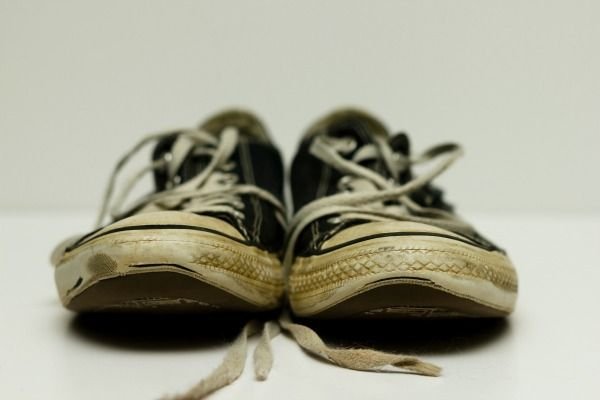
We get attached to our shoes. The perfect pair of boots that took three weeks to break in, the heels that go with everything, the trainers that have somehow survived four years and still feel right.
But there’s a point — sometimes obvious, sometimes sneaky — where holding on stops being loyalty and starts being a problem for your feet.

How long do shoes last, really? The honest answer depends on the type of shoe, how often you wear them, and how well you look after them.
This guide covers the realistic lifespan of every major shoe type, the warning signs that yours are done, and how to make them last as long as possible.

How Long Do Different Types of Shoes Last?
Before we get into the warning signs, it helps to know what you’re working with. Here’s a realistic breakdown by shoe type — not manufacturer-optimistic, not overly conservative, just honest.
Running and athletic shoes: 300–500 miles, or roughly 6–12 months if you run or train regularly. The midsole foam compresses and loses its shock absorption well before the shoe looks worn, which is why this category has the shortest functional lifespan, regardless of how clean the upper stays.
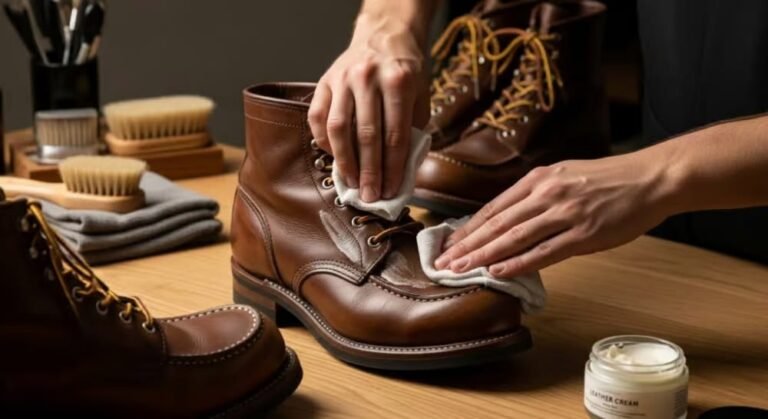
Leather dress shoes and quality boots: 5–10 years and beyond with regular conditioning, polishing, and periodic resoling. Well-made leather shoes are one of the few footwear investments that genuinely compound — the leather softens and conforms to your foot over time, and a good cobbler can replace the sole multiple times over the life of the upper.

Everyday flats and casual shoes: 1–3 years for shoes worn several times a week. Construction quality matters enormously here — a cemented (glued) sole can’t be repaired once it separates, while a stitched sole can be resoled indefinitely.
Heels: 1–3 years for the shoe itself, with heel tips needing replacement every few months, depending on how much you walk. Worn-down heel tips are one of the most fixable and most ignored shoe problems — and one of the most damaging if left unaddressed.
Sandals and mules: 1–2 years for regular wear. Straps weaken, footbeds compress, and the sole wears unevenly — often in ways that aren’t immediately visible but affect how your foot sits and moves.
Trainers and sneakers (casual wear): 1–2 years for daily wear, longer if worn occasionally and cared for properly. [INTERNAL LINK: Shoe Care]
7 Signs It’s Time to Replace Your Shoes
1. The Sole Is Worn Down Unevenly
Flip your shoes over and look at the sole honestly. Light wear on the heel and ball of the foot is completely normal — that’s where pressure falls.
But if the sole is worn down to the midsole, worn through entirely in any spot, or worn unevenly from side to side, the shoe is no longer providing stable support.
Uneven sole wear also means your foot is compensating with every step, which, over time, contributes to knee, hip, and lower back pain.
If the outsole is worn but the rest of the shoe is sound, a cobbler can often resole it — but if the upper and structure are also deteriorating, replacement makes more sense.
2. The Cushioning Has Gone Flat
This one is especially critical for running shoes, but it applies to any shoe with cushioned insoles or a padded midsole. Press the insole firmly with your thumb — it should spring back with some resistance.
If it compresses fully and stays compressed, or feels hard and unyielding rather than cushioned, the foam has broken down and is no longer absorbing impact the way it was designed to.
Flat cushioning means every step transfers more force directly to your joints. You can replace the insole as a temporary measure, but if the midsole itself has compressed, the shoe’s structural support is compromised regardless of what you put inside it.
Quick tip: Running shoe manufacturers recommend replacing at 300–500 miles because that’s when midsole compression becomes measurable even when the upper looks fine. If you run regularly, log your miles. Don’t guess.
3. The Heel Counter Has Collapsed
The heel counter is the firm structure inside the back of the shoe that holds your heel in place and prevents your foot from rolling inward or outward.
Press the back of your shoe from the outside — it should feel firm and maintain its shape. If it’s soft, floppy, or has started to fold inward, the heel counter has collapsed, and the shoe can no longer provide the lateral stability your ankle depends on.
A collapsed heel counter is particularly problematic for people who overpronate, and no amount of care or insoles can restore structural integrity once it’s gone.
4. You’re Developing New Aches and Pains
This is the sign people most often attribute to everything except their shoes. If you’ve developed heel pain, ball-of-foot soreness, knee discomfort, or lower back ache that wasn’t there before — and nothing else has changed in your routine — your shoes deserve serious scrutiny.
Footwear that’s lost its structure, cushioning, or support changes how your entire body absorbs and distributes impact with every step.
I once wore a pair of beloved leather flats about six months past their structural lifespan and spent the better part of a winter convinced I’d somehow developed a hip problem. New shoes fixed it in a week.
Read also: 7 Easy Ways to Deodorize Smelly Shoes Naturally
5. The Upper Has Separated From the Sole
A gap between the upper and the sole — even a small one — means the bond holding your shoe together is failing.
On a cemented (glued) construction, this is often terminal unless caught very early. On a stitched construction, a cobbler can re-stitch and re-cement the welt relatively inexpensively.
Check around the entire perimeter of the sole, paying particular attention to the toe and heel, where stress concentrates most.
Continuing to wear shoes with sole separation accelerates the damage rapidly and can result in the sole detaching entirely — which, experience suggests, always happens at the worst possible moment.
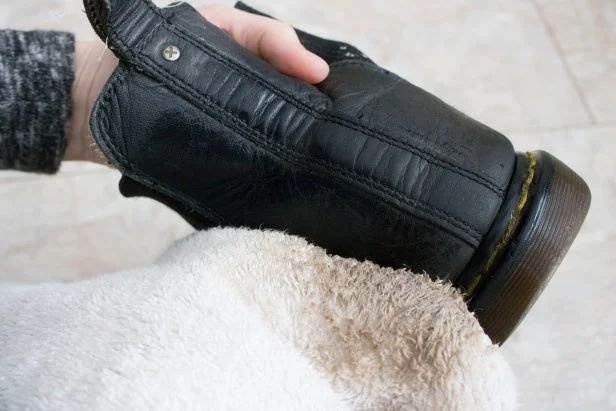
6. Visible Cracking or Splitting in the Leather
Surface scuffs and creases are a normal part of leather life and are almost always repairable with conditioning and polish. But cracks that go through the leather — particularly across the toe box where the shoe flexes with every step — are structural damage, not cosmetic.
Once leather cracks deeply, the fibres have broken down, and the crack will continue to propagate with wear, regardless of how much conditioner you apply. A leather repair cream can slow the progress and improve the appearance, but cracked leather that flexes under foot pressure will continue to worsen.
This is the sign that consistent conditioning earlier in the shoe’s life would have prevented, which is worth remembering for the next pair.
7. Repairs Would Cost More Than Replacement
Good shoes are worth repairing — a resole, new heel tips, or a stitch repair from a skilled cobbler can add years to a quality pair and is almost always worth it.
But there’s a point where the accumulation of issues (worn sole, collapsed structure, deteriorating upper) means that the cost of restoring the shoe to full function outweighs the value of the shoe itself.
As a rough rule of thumb, if the repair cost is more than 50% of what a comparable new pair would cost, replacement is the more sensible option unless the shoes have significant sentimental or quality value that makes continued investment worthwhile.
Common Mistakes to Avoid
- Judging shoes by the upper alone. A shoe can look presentable while its sole, midsole, and heel counter are completely spent. Always check the structure, not just the surface.
- Replacing running shoes based on appearance rather than mileage. Clean white trainers can have entirely dead cushioning. Track the miles, not the colour.
- Ignoring worn heel tips on heels. Worn tips expose the heel block itself, which quickly damages and becomes expensive to repair. Tip replacements cost very little at a cobbler and take minutes.
- Waiting until the shoes are falling apart to replace them. By the time soles are detaching or leather is splitting, you’ve likely been wearing structurally unsound shoes for months. The warning signs come much earlier.
- Throwing away quality shoes that could be repaired. Well-made leather shoes with a good sole and intact upper can almost always be restored by a skilled cobbler for far less than a replacement would cost.
How to Make Your Shoes Last as Long as Possible
- Rotate your footwear. Wearing the same pair every day compresses the cushioning and degrades the materials faster than alternating between two or three pairs.
- Use shoe trees after every wear. Cedar shoe trees absorb moisture and hold the shape of the shoe, preventing the premature creasing and structural collapse that shortens lifespan.
- Condition leather regularly. Every 4–6 weeks, wearing shoes prevents the dryness that leads to cracking and structural breakdown.
- Get heel tips replaced before they wear down to the block. A cobbler visits every few months for heel costs very little and prevent significant damage.
- Store shoes properly. Away from direct sunlight, in breathable storage, with shape support in place. How you store shoes between wears matters almost as much as how you wear them.
FAQ
How long do shoes last on average? It varies significantly by type and care. Running shoes: 6–12 months of regular use. Everyday casual shoes: 1–3 years. Quality leather shoes and boots: 5–10 years or more with conditioning and resoling. The biggest factor after construction quality is how consistently the shoes are cared for between wears.
How do I know if my running shoes need replacing? Track your mileage — the 300–500 mile range is the evidence-based guideline for when midsole foam loses meaningful cushioning. Alongside that, if you notice increased fatigue in your legs after runs, new soreness in your knees or hips, or the shoe feels noticeably less cushioned than when new, replace them regardless of where you are in the mileage count.
Is it worth resoling shoes instead of replacing them? For quality leather shoes — yes, almost always. A good resole from a skilled cobbler costs a fraction of a replacement pair and can be done multiple times over the life of the upper. For cemented casual shoes or trainers, resoling is rarely practical or cost-effective. The construction method of the original shoe determines whether repair is viable.
Can worn-out shoes cause injury? Yes — and more commonly than most people realise. Shoes that have lost structural support change the biomechanics of your gait, increasing stress on the ankles, knees, hips, and lower back. Plantar fasciitis, shin splints, and knee pain are all commonly linked to footwear that’s past its functional lifespan. If you develop unexplained lower-body pain, your shoes are always worth examining as a potential cause.
Final Thoughts
Knowing when to hold on and when to let go is one of the more underrated skills in building a wardrobe that actually works for you. Quality shoes deserve repair and care; worn-out shoes deserve honest retirement. The signs are usually there well before the sole falls off or the leather splits — it’s just a matter of knowing what to look for. Check your shoes properly every few months, invest in the ones worth saving, and replace the ones that are quietly working against you. Your feet — and your back — will thank you.
Read also: