10 Things You Should Never Do to Your Leather Shoes
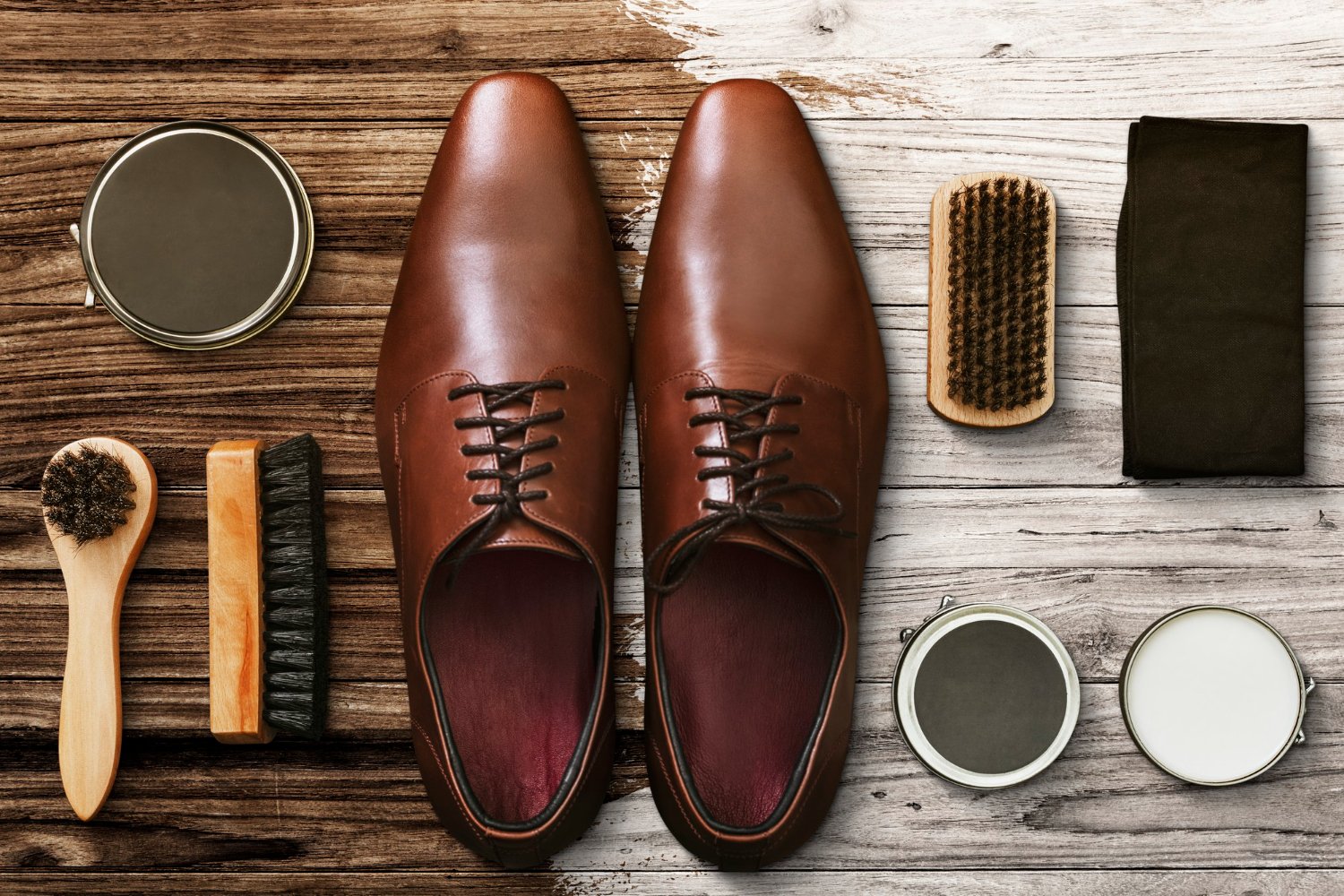
Leather shoes are one of those investments that can genuinely last decades — if you treat them right.
But if you’re making even one or two of these common mistakes, you could be ageing your shoes by years without realising it.

Whether you’ve just bought your first pair of quality leather heels or you’ve had the same ankle boots since forever, knowing what not to do is just as important as knowing what to do.
Here are 10 things you should never do to your leather shoes, and exactly what to do instead.

The short version:
- Never dry wet leather near direct heat — it cracks the hide permanently.
- Never skip conditioning — leather dries out and splits without regular moisture.
- Never use household cleaners like dish soap, bleach, or baby wipes on leather.
- Never store leather in plastic bags or airtight containers — it needs to breathe.
- Never ignore small scuffs or stains — they become permanent if left untreated.
1. Never Dry Wet Leather Near a Heat Source
It’s raining, your leather boots are soaked, and it’s tempting to park them next to a radiator or aim a hair dryer at them.
Don’t. Heat causes leather to dry out unevenly, which makes it stiffen, warp, and crack — sometimes irreversibly. Instead, stuff your wet shoes with newspaper or white paper towels to absorb moisture from the inside, then leave them at room temperature in a ventilated spot.
Yes, it takes longer. But your shoes will thank you the next morning.

Quick tip: Wet leather is at its most vulnerable — avoid flexing, bending, or wearing shoes while they’re still damp. That’s when permanent creasing is most likely to happen.
2. Never Skip the Conditioner
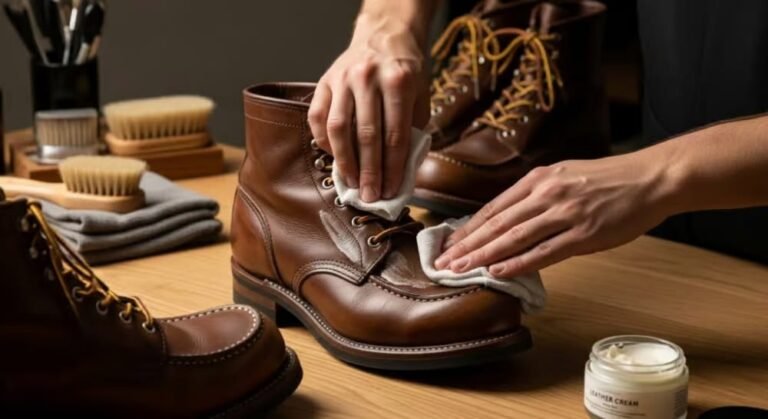
Think of leather conditioner the way you think of moisturiser for your skin — skip it long enough and things start cracking. Leather is a natural material that loses its oils over time, especially with regular wear and exposure to the elements.
Without conditioning, it becomes brittle and prone to deep creases and splits that no amount of polish will hide. Condition your leather shoes every 4–6 weeks if you wear them regularly, and always after they’ve been caught in the rain.
Read also: How to Clean White Sneakers at Home (Step-by-Step)
3. Never Use Household Cleaners on Leather
Baby wipes, dish soap, multi-surface sprays, micellar water — we’ve all grabbed something nearby in a panic when a stain appears. But most household cleaners contain detergents, alcohol, or fragrances that strip leather’s natural oils and break down its surface over time.
Even products marketed as “gentle” can cause discolouration or dullness. Stick to a dedicated leather cleaner, or at the very minimum, plain water and a soft cloth for light surface dirt.
Quick tip: When in doubt about a new product, test it on a hidden spot first — the inner heel or a discreet area near the sole. Give it 10 minutes and check for any colour change before applying it to the whole shoe.
4. Never Put Leather Shoes in the Washing Machine
I know someone who tried this with a pair of leather loafers. The leather warped, the sole separated, and the colour came out patchy and strange.
It was not a success. Washing machines are too aggressive for leather — the agitation, heat, and soaking time break down the glue, distort the shape, and destroy the finish. There is no shoe on earth worth that risk. Clean leather by hand, always.
5. Never Store Leather in Plastic Bags or Boxes
Leather needs to breathe. Sealing it in plastic creates a humid, airless environment that encourages mould, mildew, and a musty smell that gets into the leather and is extremely difficult to remove.
If you’re storing shoes for any length of time, use fabric dust bags, breathable shoe boxes, or simply leave them on an open shelf. Add cedar shoe trees or a small silica gel packet to absorb moisture and keep them fresh.
6. Never Ignore a Scuff or Stain
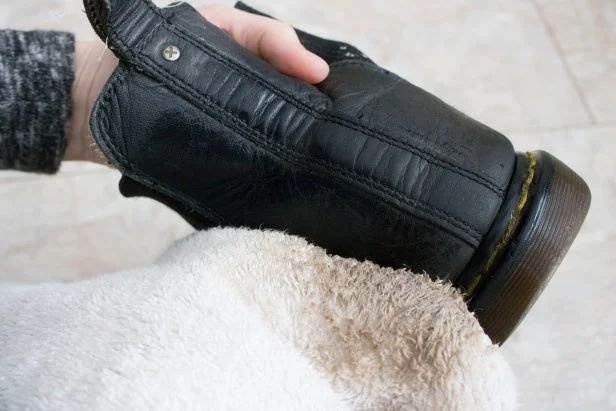
That tiny scuff you’re planning to deal with “later”? It’s setting in right now. Surface scuffs on smooth leather are actually quite easy to buff out when they’re fresh — a little leather conditioner and a soft cloth often does the job.
Leave it for a week and the leather fibres start to separate in a way that’s much harder to reverse. The same goes for stains: the faster you act, the better your odds of a full recovery.
Quick tip: Keep a small leather conditioner or shoe cream at your front door. Spending 30 seconds on your shoes when you take them off is infinitely easier than spending an hour trying to repair neglect later.
7. Never Wear the Same Pair Two Days in a Row
This one surprises people, but leather shoes need rest between wears. Leather absorbs sweat and moisture throughout the day, and wearing the same pair back-to-back doesn’t give it time to dry out fully.
That trapped moisture accelerates the breakdown of the material from the inside out, which leads to unpleasant smells and premature wear.
Rotating between at least two pairs — or giving your shoes a full 24 hours off — makes both pairs last significantly longer.
8. Never Use the Wrong Polish Colour
Reaching for whatever shoe polish is on hand seems harmless enough — until you realise the “neutral” polish you’ve been using has a slight tint that’s been slowly altering the colour of your tan leather shoes.
Always match your polish as closely as possible to the shoe’s original colour. When in genuine doubt, a true neutral or colourless conditioner is a much safer choice than guessing with a tinted polish.
9. Never Fold or Stack Leather Shoes for Storage
Stacking shoes on top of each other, or folding ankle boots over at the ankle to save space — both are more damaging than they look. Leather has memory, which means sustained pressure or bending in the wrong place creates permanent creases.
Store boots upright using boot shapers or stuff them with rolled magazines to maintain their structure. For heels and flats, keep them side by side rather than stacked.
Quick tip: A dedicated shoe rack is one of the best small investments you can make for the longevity of your footwear. It keeps pairs separate, maintains their shape, and makes getting ready in the morning significantly less chaotic.
10. Never Skip the Shoe Tree
Shoe trees are one of those things that feel like a luxury until you understand what they actually do. Without them, leather shoes dry in whatever shape they happen to be in after you take them off — often with toe creases folded in and the heel cup slightly collapsed.
Cedar shoe trees absorb moisture, neutralise odours, and hold the shoe in its correct shape while it rests. They extend the life of your shoes noticeably. Cedar is best; plastic is fine if that’s what you have.
Common Mistakes to Avoid
- Over-polishing. Polish builds up in layers and can actually crack over time. Clean off old polish before adding new product.
- Using the wrong cloth. Abrasive materials scratch leather. Always use a soft, lint-free cloth or a dedicated horsehair brush.
- Conditioning brand-new shoes. Actually — do this. New leather often arrives dry. Conditioning before the first wear helps break them in more comfortably.
- Wearing leather shoes in heavy rain without protection. A quick spray of water-resistant leather protector before the rainy season starts makes a huge difference.
- Neglecting the soles. The edge of the sole and the welt (where the upper meets the sole) collect dirt and crack if ignored. A little conditioner along the welt goes a long way.
How to Keep Your Leather Shoes in Great Shape
- Clean gently after every wear — a quick wipe with a dry or barely damp cloth removes surface dust before it settles in.
- Condition regularly — every 4–6 weeks for regularly worn shoes, or any time the leather starts to look or feel dry.
- Use cedar shoe trees — they pay for themselves in shoe longevity within the first year.
- Waterproof before the seasons change — a protective spray applied in autumn and spring covers you for whatever weather comes next.
- Store with care — breathable bags, upright boot storage, and a dry, dark cupboard will keep your leather looking good for years.
FAQ
What should I use to clean leather shoes at home? A dedicated leather cleaner is always best. For light surface dirt, a slightly damp soft cloth works well. Avoid household cleaners, baby wipes, and anything with alcohol or strong detergents — they strip the leather’s oils and dull the finish over time.
How often should I condition leather shoes? Every 4–6 weeks for shoes you wear regularly, and always after they’ve been soaked in rain. If the leather looks dull or feels slightly stiff to the touch, it’s telling you it needs moisture — don’t wait for the scheduled date.
Can leather shoes be repaired if they’re already cracked? Light surface cracking can often be improved with a deep conditioning treatment and leather repair cream. Deep cracks that go through to the hide are much harder to reverse and may need professional resoling or repair. Consistent conditioning is far easier than trying to undo the damage.
Are things you should never do to your leather shoes different for suede? Yes — suede is a completely different material and needs its own care routine. Never use liquid cleaners, conditioners, or polish on suede. Suede requires a specialised brush and dry cleaning method. If you’re not sure what your shoe is made from, check the label inside the heel cup.
Final Thoughts
Leather shoes are one of the few things in your wardrobe that genuinely improve with age — but only when they’re looked after properly. Most of the damage happens gradually and invisibly, which is exactly why these mistakes are so easy to make. Now that you know what to avoid, keeping your leather shoes looking great is mostly a matter of small, consistent habits rather than any big effort. Save this article for the next time you’re mid-panic with a scuffed heel and need a quick reminder of what to do — and what absolutely not to do.
Read also: