You see a pair of sneakers you love. You visit the website at the exact release time. You click “Buy.” And then the dreaded message appears: “Sold out.”
It happens to thousands of sneaker fans every week. Some shoes disappear in under a minute. Others are gone in seconds. If you’ve ever wondered why sneakers sell out instantly, you’re not alone — and you’re in the right place.
This guide breaks down the real reasons behind those instant sellouts. We’ll look at how brands decide how many pairs to make, how hype builds around certain shoes, and why resellers and bots make the problem worse for everyday buyers. By the end, you’ll also have practical tips for actually getting a pair before they’re gone.
Limited Edition Releases — Why Brands Make Fewer Pairs
The most obvious reason why sneakers sell out instantly is simple: brands don’t make enough of them. This is intentional, not accidental.
Nike, Adidas, and Jordan Brand regularly release “limited edition sneakers” — styles produced in deliberately small quantities. Instead of manufacturing 500,000 pairs of a shoe, they might produce 5,000. Or 500. Or even fewer for ultra-exclusive drops.
Why brands limit supply on purpose
When a product is rare, it feels more valuable. Brands know this. By keeping supply low and demand high, they achieve several things at once:
- The brand creates a news event around the release, generating free press and social media buzz.
- Buyers feel urgency and act fast rather than waiting for a sale.
- The brand’s image is elevated — you’re wearing something rare, not something everyone has.
- Sellouts signal strength, telling the market that demand far exceeds supply.
The Air Jordan 1 Retro High OG, for example, releases in small batches even though it’s one of the most famous sneakers ever made. Nike could produce millions. They choose not to. The scarcity is the strategy.
Sneaker Hype Culture Explained
Sneaker hype explained simply: it’s the energy and excitement around a shoe that drives people to want it badly — often before they’ve even seen it in person. Hype doesn’t happen by accident. It’s built through media, celebrity culture, and social trends.
Social media and online hype
Platforms like Instagram, TikTok, and Twitter have become the engine rooms of sneaker hype. Influencers unbox shoes. Sneaker accounts post leaked images weeks before a release. YouTube creators publish reviews that rack up millions of views before the shoe ever hits shelves. All of this builds anticipation.
When a shoe gets millions of impressions online, and only 10,000 pairs exist globally, the math doesn’t work in the buyer’s favour.
Celebrities wearing sneakers
When a famous athlete, musician, or actor is spotted wearing a shoe, demand skyrockets. LeBron James wearing a Nike colourway. Travis Scott wearing reverse-stitched Air Jordan 1s. Bad Bunny in custom Adidas Forum Lows. Each of those moments sent people rushing to buy — and the brands know exactly what they’re doing by gifting shoes to celebrities before release day.
Trends and cultural moments
Sneakers are tied to culture. When a style becomes associated with a musical era, a sport, a film, or a fashion movement, everyone wants a piece of that moment. New Balance has seen massive hype recently because of its association with a particular fashion aesthetic. Adidas Sambas became the “it shoe” virtually overnight. Trends are unpredictable, but when they hit, they empty shelves fast.
Popular Brands That Cause the Fastest Sellouts
Not all shoes sell out in seconds. It tends to be specific brands with huge cultural followings. Here’s a breakdown of the biggest names in the sellout game.
Nike
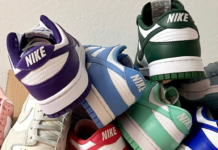
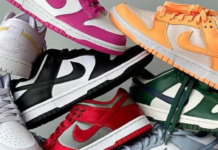
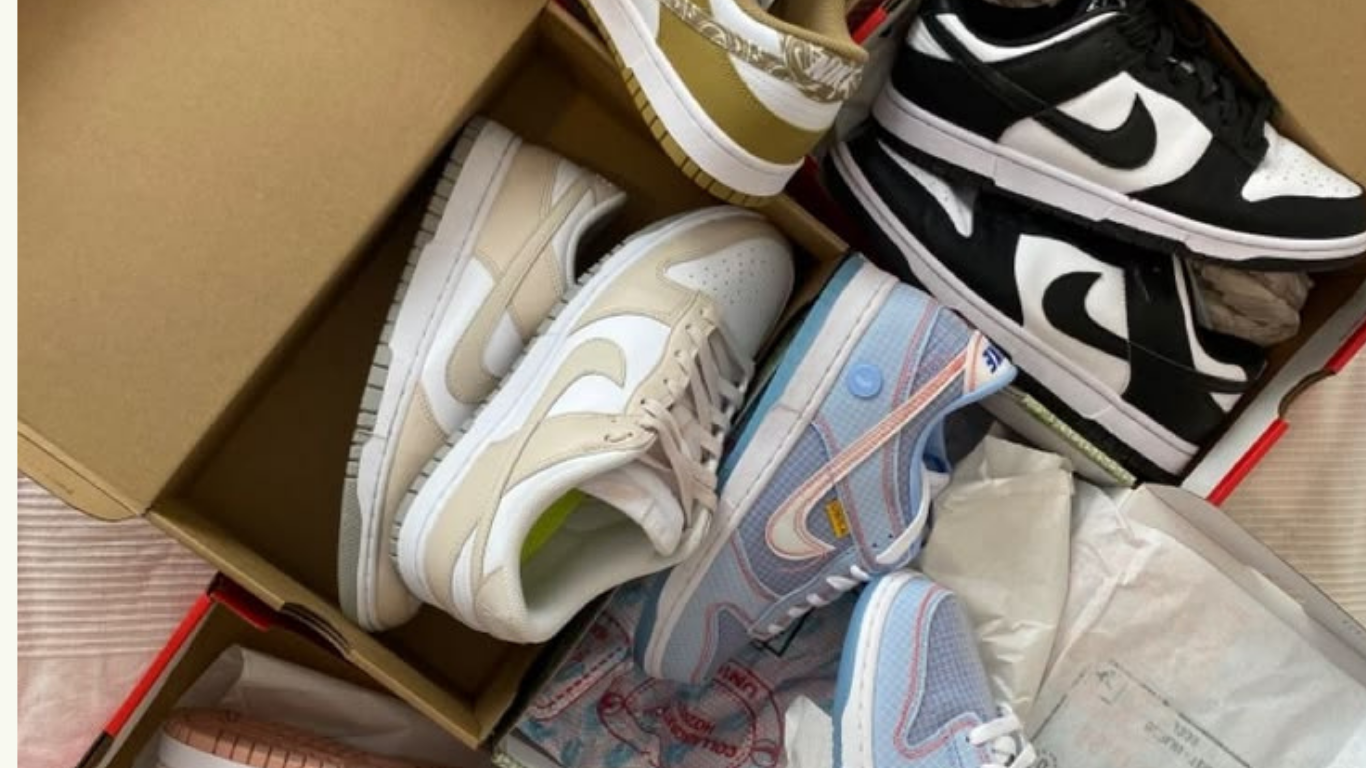
Nike is the biggest sneaker brand in the world, and its most hyped releases are genuinely difficult to buy. Shoes like the Nike Dunk Low, Air Max 1, and various Nike SB Dunks regularly sell out the moment they drop. Nike’s SNKRS app, where many limited releases happen, has a reputation for disappointment: millions of people enter, and very few win.
Jordan Brand
Why do Jordans sell out fast? Because they’re attached to the most famous basketball player in history — Michael Jordan — whose legacy only grows over time. Air Jordan retros sell out consistently because fans want to own a piece of basketball history. The brand is also strategic about which colourways it releases and when, ensuring each drop feels special.
Adidas and Yeezy
Adidas had one of the biggest sneaker phenomena of the last decade in the Yeezy line, which came from its partnership with Kanye West. Yeezy Boost 350s sold out instantly for years, with resale prices often reaching two to four times the retail price. Adidas has also seen massive success with the Stan Smith, Samba, and Gazelle, all of which have experienced sellout waves driven by fashion trends.
Puma and New Balance
Both brands have entered the hype conversation more recently. Puma’s collaborations with Rihanna and A$AP Rocky created genuine sellout moments. New Balance, meanwhile, has built a strong reputation in the lifestyle space, with models like the 550, 2002R, and 990 series attracting significant interest and selling out during notable colourway releases.
Sneaker Drops Explained
If you’re new to this world, you might have heard the term “sneaker drop” and wondered what it means. Here’s a clear explanation.
What is a sneaker drop?
A sneaker drop is the official release of a new shoe. Brands schedule drops at specific times and dates, and buyers know to be ready at that exact moment. Unlike a regular product launch where stock sits on shelves for months, a drop is a time-limited event. Stock is often gone within minutes.
Release dates and how they work
Brands announce release dates weeks or sometimes months in advance. This builds anticipation. Websites like Sneaker News and Sole Collector publish release calendars so buyers can plan ahead. Missing the release date means missing the shoe at retail price.
Online raffles and how they help
To combat bots and give real buyers a fairer chance, many brands and retailers now use a raffle system. Instead of first-come-first-served, buyers enter their name during a window of time. Winners are chosen randomly and get the chance to purchase at retail price.
- Nike does this through its SNKRS app
- Foot Locker, END Clothing, and Size? all have their own raffle systems
- It’s still competitive, but it’s fairer than a pure speed race
Resellers and Bots — Why Normal Buyers Miss Out
One of the biggest reasons why shoes sell out quickly isn’t just hype — it’s the sneaker resale market. A large chunk of every hyped release is bought not by people who want to wear the shoes, but by people who want to sell them for profit.
How resellers operate
Resellers monitor upcoming releases, buy multiple pairs at retail price, then immediately list them on platforms like StockX, GOAT, eBay, and Depop at significantly higher prices. If a shoe retails for $150, a reseller might list it for $400 or more. For rare collaborations, prices can reach thousands of dollars.
Bots — the technology behind instant sellouts
Professional resellers use automated software called “sneaker bots” to purchase shoes faster than any human can. These bots fill in forms, select sizes, and complete checkouts in milliseconds. By the time an average buyer gets to the checkout page, a bot may have already purchased dozens of pairs. This is a major reason why sneakers sell out instantly online.
Some major retailers invest heavily in bot detection and anti-cheat technology, but it’s an ongoing arms race. Bots constantly evolve to beat the systems designed to stop them.
Fear of Missing Out (FOMO) and Buyer Psychology
Beyond strategy and bots, there’s a deeply human reason why sneaker drops cause such frenzy: fear of missing out, or FOMO.
When people see a countdown timer, or read that a shoe has “limited stock,” the brain responds to urgency. Behavioural researchers have long understood that scarcity makes things feel more desirable. You might not have been desperate for that pair of Air Jordans — but once you see that only 200 pairs are available globally, suddenly you need them.
Social proof amplifies this. When you see thousands of people online talking about a release, you don’t want to be the person who missed it. The social dimension of sneakers — the idea that wearing the right shoe communicates something about you — pushes buyers to act fast, sometimes irrationally.
Brands understand this psychology and use it deliberately. Countdown timers, “only X left in stock” messages, and exclusive early access all trigger FOMO responses.
Collaborations — Why They Sell Out Even Faster
One of the biggest drivers of instant sellouts is the collaboration release. This is when a sneaker brand teams up with another company, an artist, a designer, or an athlete to create a special edition shoe.
Brand collaborations
Supreme x Nike. Off-White x Air Jordan. Palace x Adidas. When two powerful brands combine, they merge two fanbases into one release with a fraction of the usual stock. The result is immediate sellout. Supreme’s collaboration runs have historically been some of the fastest-selling products in retail history.
Artist and musician collaborations
Travis Scott’s Nike and Jordan Brand collaborations have become some of the most sought-after sneakers in recent memory. Bad Bunny’s Adidas Forum colourways sell out before most people even know they’ve dropped. When a beloved artist puts their name on a shoe, their fans buy immediately.
Sports player collaborations
Signature athlete shoes have always been collectible. LeBron James, Kobe Bryant, Kevin Durant, and Steph Curry each have signature lines that sell well. But limited player exclusives tied to key games or career moments often sell in seconds. The Kobe 6 “Grinch,” for example, remains one of the most sought-after basketball shoes ever made.
Why Online Stores Sell Out Faster Than Physical Stores
If you’ve ever queued outside a shoe store for a release, you’ll know it feels manageable. You might even get the pair. Online? It’s a completely different experience.
Online stores are accessible to millions of people simultaneously from around the world. When a drop goes live, the sheer volume of traffic — including thousands of bots — hammers the site at once. Physical stores, by contrast, can only serve as many people as can physically stand in line. A store with 50 pairs of shoes serves the first 50 people. A website can serve a global crowd, but that also means the competition is global.
In-store releases can actually be a better option for hyped shoes. Many stores hold in-store-only raffles, which cuts down the bot problem significantly. Physical queues have been part of sneaker culture for decades, and some dedicated buyers still see them as the most reliable way to get a pair.
How to Buy Sneakers Before They Sell Out
Now for the practical part. If you want a chance at a hyped pair of sneakers, here’s what actually helps.
Follow sneaker release calendars
Websites like Sneaker News and Sole Collector publish detailed release calendars. Check them weekly. Know what’s dropping and when so you’re never caught off guard.
Use official brand apps
Nike’s SNKRS app gives access to exclusive drops and early releases. Adidas has a similar app. Download them, create accounts, and add your payment and delivery details in advance. When a release drops, every second counts — having your info pre-saved can make the difference.
Enter raffles at multiple retailers
For big releases, multiple retailers will hold separate raffles. Enter all of them. Your odds with one raffle might be 1 in 500. With five raffles across different stores, your chances improve significantly. Popular raffling retailers include:
- END Clothing
- Size?
- SNS (Sneakersnstuff)
- Offspring
- Foot Locker
Be ready early and act quickly
For non-raffle “first come, first served” drops, preparation is everything. Have your account logged in, size selected, and payment saved at least ten minutes before the drop time. Be on the page and ready the instant stock becomes available.
Consider less hyped sizes
Sizes in the middle of the range (US 9–11 for men, US 7–8 for women) sell fastest. If you wear a very large or very small size, your odds improve. Less common sizes often remain available minutes after a drop when mid-range sizes are already gone.
Why Expensive Sneakers Still Sell Out
Here’s something that surprises beginners: price doesn’t reduce demand for hyped sneakers. In fact, sometimes a higher price increases desire.
The Air Jordan 1 Retro High OG typically retails around $180. When collaborations drop with retail prices of $250 or $300, they still sell out in seconds. Why? Because resale value is even higher. Buyers see expensive limited shoes as investments as much as purchases. If a $250 shoe sells for $800 on the resale market, the retail price becomes almost irrelevant.
There’s also the prestige factor. A more expensive sneaker signals exclusivity. Wearing a $300 limited edition shoe communicates something different than wearing a $70 general release. In the sneaker world, price is often a mark of status rather than a barrier to purchase.
Frequently Asked Questions
Why do Jordans sell out fast?
Jordan Brand combines the most famous name in basketball history with deliberately limited production. Every retro release brings with it nostalgia, cultural cachet, and global demand from collectors and fans who grew up watching Michael Jordan play. The brand intentionally keeps supply below demand to maintain the shoes’ prestige.
Why are limited sneakers so expensive on the resale market?
Limited edition sneakers are expensive on resale because supply is low and demand is high. When a shoe sells out at retail and thousands of people still want it, resellers can charge whatever the market will bear. Platforms like StockX function almost like stock exchanges, where prices fluctuate based on real-time supply and demand.
What is a sneaker drop?
A sneaker drop is the scheduled release of a new shoe or colourway. Brands announce drop dates in advance to build excitement. On drop day, shoes become available at a set time — either online, in-store, through a raffle, or via a brand’s dedicated app. Many drops last only a few minutes before selling out.
Why do resellers buy sneakers?
Resellers buy sneakers because they can profit from the difference between retail price and resale price. If a shoe retails for $150 and resells for $450, a reseller buying three pairs makes $900 in profit. Professional resellers treat it as a business, using bots, multiple accounts, and deep market knowledge to maximise returns.
Conclusion: Understanding Why Sneakers Sell Out Instantly
Now you know the answer to why sneakers sell out instantly — and it’s never just one reason. It’s a combination of forces all pushing in the same direction at the same time.
Brands like Nike, Jordan, Adidas, and New Balance deliberately produce fewer pairs than the market demands. Social media, celebrity endorsements, and cultural trends build massive hype around specific releases. Resellers and bots then compete with real buyers, eating up available stock in milliseconds. And the psychology of scarcity and FOMO pushes everyday buyers into a frenzy.
The result? A shoe that 2 million people want, with 10,000 pairs available, sold through a website with global access. It sells out instantly. Every time.
As a beginner, the most important things you can do are: follow release calendars, prepare your accounts and payment info in advance, enter as many legitimate raffles as you can find, and be honest with yourself about whether you’re buying to wear or to invest. Both are valid — but they require different strategies.
Sneaker culture is vibrant, competitive, and genuinely exciting once you understand how it works. Now that you do, you’re better equipped to play the game.